Table of Contents
- When Sub Zero Repair Is the Right Next Step
- Why Sub-Zero Problems Need Careful Diagnosis
- The Difference Between Maintenance and Repair
- What to Do Before the Technician Arrives
- Common Sub-Zero Refrigerator Issues Homeowners See
- Repair or Replacement: How to Make a Practical Decision
- Protecting Your Refrigerator After Service
A Sub-Zero refrigerator is built to protect more than groceries. It protects the ingredients for family meals, the food prepared for gatherings, and the investment you made in a premium kitchen. When temperatures begin climbing, ice production slows, or the unit starts making unfamiliar sounds, Sub Zero repair should not wait until food has spoiled or the appliance stops completely.
These refrigerators and freezers are engineered differently from many standard models. Their dual refrigeration systems, compressors, controls, and airflow components need an accurate diagnosis before anyone starts replacing parts. A prompt, professional repair can often prevent a smaller issue from becoming a more expensive interruption to your home.
When Sub Zero Repair Is the Right Next Step
Not every change in refrigerator performance means a major failure. A door left slightly open, crowded shelves blocking vents, or a dirty condenser area can affect cooling. But when a problem continues after basic checks, it is time to have the unit evaluated.
One of the clearest signs is inconsistent temperature. The refrigerator compartment may feel warmer than usual while the freezer remains cold, or food in one section may freeze while another section struggles to stay chilled. Sub-Zero units are designed for precise temperature management, so noticeable swings deserve attention.
Excessive frost is another warning sign. A thin layer of frost can occur from normal use, especially after frequent door openings. Thick ice buildup, frost around the door gasket, or a freezer drawer that becomes difficult to open may point to an air leak, defrost issue, or airflow problem.
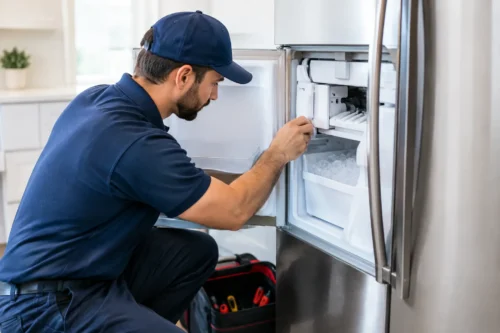
You may also notice that the ice maker has slowed down, stopped producing ice, or is making small or hollow cubes. That does not always mean the ice maker itself has failed. Water supply concerns, temperature problems, a clogged filter, or a component within the ice-making system can all play a role.
Unusual noises should be checked as well. Refrigerators make normal operating sounds, including fan movement, occasional clicking, and water movement during an ice-making cycle. New rattling, grinding, repeated clicking, loud buzzing, or a fan that seems unusually loud can signal a problem that should be diagnosed before it affects cooling.
Why Sub-Zero Problems Need Careful Diagnosis
A premium refrigerator is not the place for replacement guesswork. Some symptoms overlap. For example, poor cooling can be caused by blocked airflow, a dirty condenser, a failing fan motor, a sensor issue, a sealed-system concern, or a control problem. Replacing one part based only on a symptom can waste time and money while leaving the real cause unresolved.
A thorough Sub Zero repair visit starts with understanding what the appliance is doing and when the issue began. A technician may check temperatures, inspect door seals, evaluate fans and airflow, test components, review error indicators, and look for signs of water leaks or frost patterns. The goal is to identify the source of the failure, not simply quiet the symptom for a few days.
This matters especially with built-in models. Their installation, ventilation, paneling, and cabinetry all affect access and performance. A repair professional should work carefully around the appliance and surrounding kitchen finishes while making sure the unit can operate as designed afterward.
The Difference Between Maintenance and Repair
Maintenance helps reduce avoidable problems, while repair addresses a component or system that is no longer functioning properly. Both protect the life of your refrigerator, but they are not interchangeable.
Keeping the condenser area clean, checking that doors close fully, replacing water filters as recommended, and avoiding blocked interior vents can support everyday performance. In Southern Utah, dust can accumulate quickly around appliances, particularly in homes with pets or nearby construction. A dirty condenser area can make the refrigerator work harder than necessary.
Maintenance cannot correct a failed fan, damaged door gasket, malfunctioning ice maker, faulty control, or cooling-system issue. If the refrigerator is struggling despite normal care, continuing to adjust settings or repeatedly reset the unit can delay a repair that needs professional attention.
What to Do Before the Technician Arrives
If your Sub-Zero refrigerator is still cooling but seems unreliable, move highly perishable food to a cooler or another refrigerator if you have one available. Keep the doors closed as much as possible. Opening them repeatedly releases cold air and makes the appliance work harder.
Take note of what you are seeing. Useful details include whether the refrigerator or freezer is affected, when the problem started, any visible frost or water, unusual sounds, and whether an error message is displayed. If you know the model number, have it available. This information helps make the service visit more efficient.
Do not chip ice with sharp tools or attempt to force a frozen drawer open. You can damage interior liners, seals, or components that are costly to replace. Likewise, avoid pulling a built-in unit out of its cabinet without the right equipment and experience. These refrigerators are heavy, carefully installed, and connected to electrical and sometimes water lines.
If the unit has stopped cooling entirely, prioritize food safety. Refrigerated perishable foods should not be left at unsafe temperatures for extended periods. A cooler with ice can provide short-term protection while you arrange service.
Common Sub-Zero Refrigerator Issues Homeowners See
Cooling complaints are the most urgent because they put food preservation at risk. Some homeowners notice warm milk, soft frozen foods, or produce that freezes in the fresh-food section. Others first see a digital display warning or hear the appliance running more often than usual.
Water leaks are another concern. A puddle near the refrigerator can come from an ice maker connection, filter housing, drain concern, or condensation-related issue. Even a small leak should be addressed promptly, particularly around wood floors, cabinetry, and finished kitchen spaces.
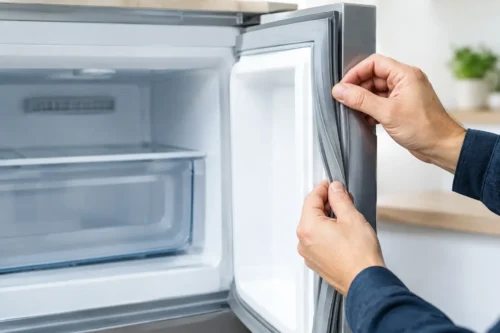
Door and drawer seal problems can be easy to overlook. If a gasket is torn, dirty, warped, or not making full contact, warm air enters the cabinet. That can lead to frost, moisture, temperature inconsistency, and longer run times. A door that no longer closes squarely may also need adjustment or closer inspection.
Display and control concerns can be frustrating because the appliance may appear to be running while not responding properly to settings. Modern refrigeration depends on electrical controls communicating with multiple components. A proper diagnosis separates a control issue from the mechanical or airflow issue that may be causing similar symptoms.
Repair or Replacement: How to Make a Practical Decision
A Sub-Zero refrigerator is often worth repairing, particularly when the issue is isolated and the appliance has otherwise been dependable. These units are designed for a long service life, and a well-executed repair may restore the performance homeowners expect.
Still, the right answer depends on the unit’s age, condition, repair history, availability of appropriate parts, and the nature of the failure. A technician should explain the findings clearly, discuss the repair options honestly, and help you understand the likely value of moving forward. You should never feel pressured into a decision before you know what is wrong.
For homeowners in St. George and surrounding Southern Utah communities, Master Tech Appliance Repair approaches premium appliance service with that practical mindset. The focus is on careful diagnosis, respectful in-home service, and repairs that support the way your household actually uses its kitchen.
Protecting Your Refrigerator After Service
Once a repair is complete, give the refrigerator time to stabilize at its normal operating temperature. Avoid overpacking shelves directly in front of vents, and confirm that doors and drawers close without resistance. If the unit has a water dispenser or ice maker, follow the recommended filter schedule and watch for changes in water flow or ice quality.
The best time to address a Sub-Zero concern is when the first warning sign appears, not after a full refrigerator of food is at risk. A clear diagnosis and timely repair can help keep your kitchen dependable when your family needs it most.