Table of Contents
- Why an appliance maintenance checklist home routine matters
- Refrigerator and freezer care
- Dishwasher upkeep that actually helps
- Oven, range, and cooktop maintenance
- Washer and dryer essentials
- Garbage disposal, microwave, and ice maker basics
- A practical appliance maintenance checklist home schedule
- When maintenance is enough and when it is not
A refrigerator that stops cooling the day before a big grocery run or a dryer that suddenly takes two cycles to finish is more than an inconvenience. For most homeowners, that is a direct hit to the weekly routine. A smart appliance maintenance checklist home plan helps you catch small issues early, avoid preventable breakdowns, and get more life out of the machines your household depends on every day.
The good news is that basic maintenance does not have to be complicated. Most of it comes down to cleaning the right parts, watching for changes in performance, and knowing when a problem has moved beyond normal upkeep and into repair territory. If you stay consistent, you can often reduce wear, improve efficiency, and avoid the kind of surprise failure that ruins food, piles up laundry, or disrupts dinner.
Why an appliance maintenance checklist home routine matters
Appliances usually do not fail all at once. They tend to give warnings first – longer run times, odd noises, weak heating, standing water, or frost buildup where it should not be. Those signs are easy to ignore when life is busy, but they often point to clogged filters, blocked airflow, worn seals, or neglected parts that are working harder than they should.
Regular maintenance also helps with energy use. A dryer packed with lint, a refrigerator with dirty coils, or a dishwasher with a clogged filter may still run, but it often runs less efficiently. That means higher utility costs and more strain on parts that are expensive to replace.
There is also a practical trade-off to keep in mind. Not every maintenance step is worth doing monthly, and not every issue can be solved with cleaning. Homeowners get the best results when they focus on the tasks that truly affect performance and call for service when symptoms point to electrical, sealed-system, ignition, drainage, or control problems.
Refrigerator and freezer care
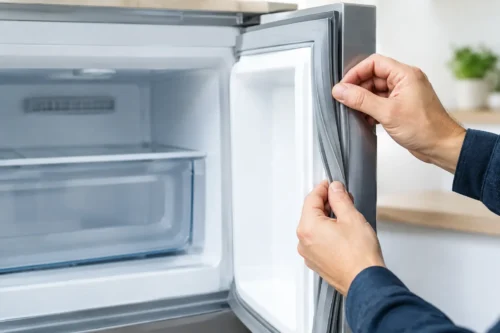
Your refrigerator runs around the clock, so even small maintenance habits matter. Start with the door gaskets. If the seal is dirty, cracked, or loose, cold air escapes and the unit has to run longer to hold temperature. Wipe the gasket with mild soap and water, and check that doors close fully without resistance from overpacked shelves.
Condenser coils also deserve attention. In many homes, dust, pet hair, and debris build up faster than people expect. Cleaning the coils every six to twelve months can improve cooling efficiency and reduce compressor strain. If you have pets, you may need to do it more often.
Inside the freezer, watch for excessive frost. A light coating can be normal on some units, but heavy frost often points to an airflow, seal, or defrost issue. The maintenance step is simple: keep vents clear and avoid leaving the door open too long. If frost returns quickly after cleaning, that is usually a repair issue, not a housekeeping issue.
Dishwasher upkeep that actually helps
Dishwashers are often blamed for poor cleaning when the real problem is buildup. The filter should be checked regularly and cleaned if food debris has collected. A clogged filter can leave dishes gritty, create odors, and interfere with draining.
The spray arms matter too. If the small holes are blocked by mineral deposits or food particles, water cannot reach dishes evenly. Rinse them out and clear any visible blockage carefully. In Southern Utah, hard water can make this more common, so some homes benefit from checking spray arms more frequently.
It also helps to inspect the door seal and look under the unit for any signs of moisture. A dishwasher leak can start small and stay hidden until it damages flooring or cabinetry. If you notice recurring water around the machine, do not assume it is from loading habits alone.
Oven, range, and cooktop maintenance
Cooking appliances need a mix of cleaning and observation. For ovens, keeping spills from baking onto the bottom of the cavity helps prevent smoke, odor, and uneven heating. For gas ranges, burner ports should stay clear so the flame burns evenly. For electric cooktops, damaged elements or loose connections often show up as inconsistent heating.
This is one area where homeowners should be cautious. Surface cleaning and checking burner caps are reasonable maintenance tasks. Taking apart gas components, testing igniters, or diagnosing temperature control problems is different. If a burner clicks constantly, the oven will not hold temperature, or ignition becomes unreliable, that is the point to schedule service.
Washer and dryer essentials
Laundry appliances are some of the most overlooked machines in the house, even though they affect the weekly routine more than almost anything else. For washers, inspect the hoses regularly for bulging, cracking, or corrosion at the connections. A failed hose can cause major water damage fast.
Front-load washers need extra attention around the door gasket. Wipe it down, check for trapped debris, and leave the door open after use when possible so moisture can evaporate. That simple step can reduce odor and mildew growth.
Dryers need even more vigilance. Cleaning the lint screen after every load is only the starting point. The vent line should also be cleaned periodically because lint buildup restricts airflow, increases drying time, raises energy use, and can become a fire risk. If your dryer is getting hot but clothes stay damp, the vent is one of the first things to check.
Garbage disposal, microwave, and ice maker basics
Garbage disposals benefit from sensible use more than complicated maintenance. Avoid fibrous foods, grease, and large hard scraps. Run cold water during use and for a few seconds after. If the disposal hums without grinding or needs frequent resets, the problem may be mechanical rather than a simple jam.
Microwaves mostly need cleanliness and common sense. Keep the interior clean so food residue does not absorb energy or create odors. Make sure the door closes properly and the latch area stays free of debris. If the unit runs but does not heat consistently, that is not a maintenance issue.
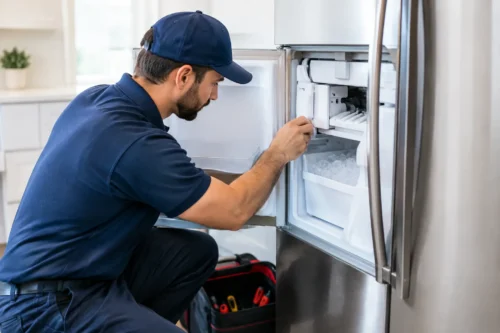
Ice makers are easy to forget until production slows down. Check for a clogged fill area, replace water filters as recommended, and pay attention to changes in cube size, taste, or output. Ice issues can come from filters, water supply problems, inlet valves, or freezer temperature problems, so this is another case where symptoms matter.
A practical appliance maintenance checklist home schedule
A useful appliance maintenance checklist home routine works best when it is tied to the calendar instead of memory. Monthly, look for visible leaks, unusual sounds, poor draining, weak heating, or longer cycle times. Clean the dishwasher filter, inspect washer gaskets, and confirm the refrigerator doors seal properly.
Every three to six months, clean around and under major appliances if accessible, check the dryer vent performance, and inspect water connections on washers and refrigerators. Every six to twelve months, clean refrigerator coils and give extra attention to appliances that see heavy use.
If that sounds like a lot, keep it simple. Start with the high-risk items: dryer venting, refrigerator coils, washer hoses, and dishwasher filters. Those four areas alone can prevent many common problems.
When maintenance is enough and when it is not
A lot of homeowners try to be proactive, which is good, but there is a point where further cleaning will not fix the issue. If your fridge is warm, your dishwasher leaves standing water, your oven temperature is off by a wide margin, or your dryer keeps overheating, repeated maintenance may only delay the real repair.
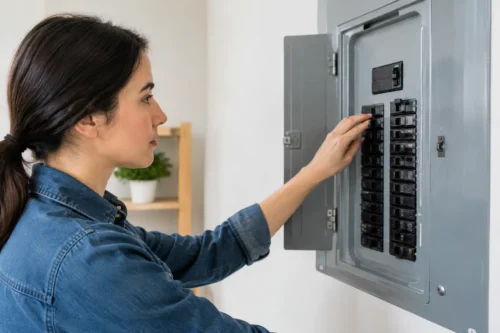
That is especially true when you notice electrical smells, tripped breakers, recurring leaks, gas ignition problems, or error codes. Those symptoms usually mean a part has failed or a system is no longer operating safely. Honest service matters here because a good technician should tell you whether the fix is simple, whether the appliance is worth repairing, and whether a maintenance habit could help prevent the issue from happening again.
For homeowners in St. George and nearby communities, the climate, dust, and hard water can add extra wear in ways people do not always notice right away. That does not mean every appliance needs constant attention. It just means routine care tends to pay off faster.
A well-maintained appliance is not just about avoiding repair bills. It is about protecting the normal rhythm of your home – cold food, clean dishes, dry clothes, and a kitchen that works when you need it. A few steady habits now can save a lot of frustration later.