Table of Contents
- When an Appliance Breakdown Needs Fast Attention
- Appliance Repair in Mesquite, Nevada: Repair or Replace?
- What a Professional Appliance Diagnosis Should Include
- Common Household Appliance Problems Worth Repairing
- Refrigerator, Freezer, and Ice Maker Issues
- Dishwasher Problems That Disrupt the Kitchen
- Oven, Range, and Microwave Failures
- Washer and Dryer Repairs That Keep Laundry Moving
- A Few Smart Steps Before Service Arrives
- Protecting Appliances Between Repairs
A refrigerator that is warm at breakfast can become a food-loss emergency by dinner. A washer that stops mid-cycle can leave a family sorting through wet clothes, and an oven failure can throw off plans for the evening. When you need appliance repair Mesquite Nevada homeowners can rely on, the goal is not just to get a machine running again. It is to restore the routines that keep your home comfortable, clean, and on schedule.
When an Appliance Breakdown Needs Fast Attention
Some appliance problems can wait a day or two. Others deserve a prompt call because the damage, inconvenience, or cost can grow quickly. Refrigerators and freezers are at the top of the list. If the interior is getting warmer, food is thawing, the unit is leaking, or the compressor is running constantly, moving quickly may help protect groceries and prevent a larger repair.
A leaking dishwasher also calls for attention. A small puddle around the door may seem manageable, but water can reach flooring, cabinets, or subflooring. The same is true for washing machines with a failed hose, drain issue, or door seal. Turning off the water supply when it is safe to do so can limit the mess while you arrange service.
Dryers deserve urgency for a different reason. A dryer that takes multiple cycles to dry clothes, smells hot, shuts off unexpectedly, or has weak airflow may have a venting issue, heating problem, or another mechanical concern. Do not keep forcing a dryer through cycle after cycle. A professional diagnosis can identify the cause and help keep your laundry room safer.
Appliance Repair in Mesquite, Nevada: Repair or Replace?
It is understandable to wonder whether a broken appliance is worth fixing. The right answer depends on the appliance’s age, condition, repair history, and the nature of the failure. Replacing a machine can make sense when it has frequent problems, major components have failed, or replacement parts are no longer practical to obtain. But replacement is not automatically the better choice.
Many issues come down to parts that can be repaired or replaced without buying a new appliance. A refrigerator may need a new ice maker, fan motor, defrost component, or control part. A dishwasher may have a failed pump, latch, heating element, or drain problem. Washers and dryers often develop repairable issues involving belts, switches, pumps, rollers, sensors, or control systems.
A professional assessment gives you facts instead of guesswork. An experienced technician should explain what failed, why it likely failed, what the repair involves, and whether the appliance’s overall condition supports putting money into it. Honest advice matters, especially when a replacement decision affects a household budget.
For newer appliances, repair is often the sensible route. For older models, the decision is more nuanced. Some well-built appliances still have years of dependable service left after the right repair. Others may be nearing the point where repeated service calls become frustrating and costly. The goal is not to push repair at all costs. It is to help you make a practical choice for your home.
What a Professional Appliance Diagnosis Should Include
Modern appliances are more complex than they appear. A refrigerator that will not cool may have a compressor concern, but it could also have an airflow restriction, failed fan, defrost issue, sensor problem, or electronic control failure. Replacing parts based on a symptom alone can waste time and money.
A proper service visit starts with listening. The details you notice at home are useful: when the problem began, whether the appliance makes a new sound, whether an error code appears, and whether the failure is constant or intermittent. From there, the technician should inspect the appliance, test relevant components, and trace the problem to its source before recommending a repair.
That process is particularly valuable with intermittent problems. A dishwasher that sometimes drains, an oven that heats unevenly, or a washer that fails only during spin may not reveal the answer immediately. Factory training, the right diagnostic tools, and hands-on experience help separate a true component failure from a wiring, installation, or maintenance issue.
Master Tech Appliance Repair brings owner-led experience to residential service, so homeowners can expect clear communication from someone who understands how disruptive a failed appliance can be. The focus is on finding the real problem, completing a reliable repair when it makes sense, and treating your home with professionalism.
Common Household Appliance Problems Worth Repairing
Refrigerator, Freezer, and Ice Maker Issues
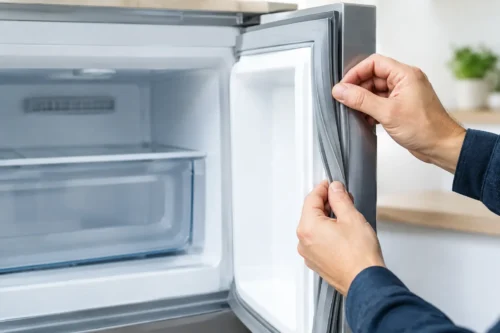
In Mesquite heat, refrigerator performance is especially important. If your refrigerator is struggling to maintain temperature, do not assume it is simply working harder because of the weather. Dusty coils, poor airflow around the unit, worn door gaskets, fan failures, and defrost problems can all affect cooling performance.
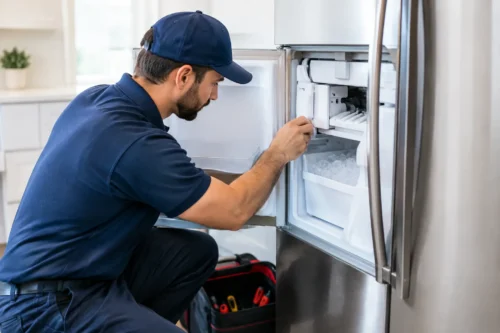
Ice makers also create their own set of frustrations. No ice, small cubes, leaking water, or a frozen fill tube can come from water supply issues, a faulty valve, temperature concerns, or a failed ice maker component. Since these systems work alongside the refrigerator’s cooling and water components, accurate diagnosis is better than replacing parts at random.
Dishwasher Problems That Disrupt the Kitchen
A dishwasher that leaves dishes dirty, fails to drain, leaks, or does not complete a cycle can turn every meal into extra work. Sometimes the fix is straightforward, such as clearing an obstruction or replacing a worn part. Other times, poor cleaning comes from circulation trouble, heating issues, or a control problem.
Avoid using excessive detergent or continuing to run a leaking dishwasher in hopes that the issue will disappear. A little attention early can help prevent water damage and keep a manageable repair from becoming a more expensive household project.
Oven, Range, and Microwave Failures
When an oven will not heat, burners will not ignite, or temperature seems unreliable, meal planning becomes difficult fast. Electric and gas cooking appliances require careful service because the issue may involve heating elements, igniters, sensors, switches, wiring, or controls. A temperature problem is more than an inconvenience when food cooks unevenly or never reaches a safe temperature.
Microwaves should also be handled with care. A unit that sparks, fails to heat, has a damaged door, or makes unusual noises should not be taken apart by a homeowner. Internal components can retain dangerous electrical charge even after the microwave is unplugged.
Washer and Dryer Repairs That Keep Laundry Moving
Washers can stop draining, fail to spin, overfill, shake violently, or leave clothes soaked. Dryers may not heat, tumble, start, or dry effectively. These problems often have repairable causes, but continuing to use the appliance can make the situation worse.
For example, an unbalanced washer may be as simple as a load issue, but persistent banging can point to worn suspension components or another mechanical concern. A dryer with long dry times may need attention to its venting, but it could also involve a heating element, thermostat, blower, or sensor. The details matter.
A Few Smart Steps Before Service Arrives
You do not need to diagnose the appliance yourself. Still, a few simple steps can help the appointment go smoothly. Write down the model number if it is easy to access, note any error code, and take notice of what happens during a normal cycle. Let the technician know whether the appliance has been repaired before and whether the problem followed a power outage, move, installation, or plumbing change.
For a refrigerator or freezer, keep doors closed as much as possible to preserve cold air. For a leaking appliance, stop using it and shut off the nearby water supply if you can do so safely. For gas appliances, if you smell gas or suspect a gas leak, leave the area and contact the appropriate emergency utility service before arranging appliance repair.
It also helps to clear a reasonable path to the appliance and remove breakable items from nearby counters or shelving. That allows the technician to work efficiently while keeping your home orderly.
Protecting Appliances Between Repairs
A little maintenance can make a real difference. Keep refrigerator coils and the area around the appliance reasonably clean, make sure doors seal properly, and avoid packing vents with food containers. Clean dishwasher filters as recommended by the manufacturer, and do not overload racks in a way that blocks spray arms.
For dryers, clean the lint screen after every load and pay attention to changes in drying time. Dryer vent cleaning is separate from appliance repair, but good airflow supports dryer performance and safety. With washers, use the correct amount of detergent, inspect hoses periodically, and address new noises before they become hard to ignore.
The most helpful approach is simple: pay attention to changes, act before a small issue grows, and choose a technician who gives you a straight answer. A dependable appliance repair can protect your groceries, your schedule, and the everyday comfort of home.