Table of Contents
- What Is the Typical Oven Repair Cost?
- Common Oven Problems and Their Repair Costs
- Heating element replacement
- Gas oven igniter replacement
- Temperature sensor or thermostat issues
- Control board replacement
- Door hinges, seals, and latch repairs
- What Makes One Oven Repair More Expensive Than Another?
- Repair or Replace: How to Decide
- Why a Professional Diagnosis Can Save Money
- Ways to Help Your Oven Last Longer
A broken oven can turn a normal week into a string of takeout meals, rushed breakfasts, and canceled family dinners. The good news is that oven repair cost is often far less than replacing a built-in or quality freestanding range – especially when the problem is limited to a heating element, igniter, sensor, or control component.
The actual price depends on what has failed, the type of oven you own, and whether the repair involves electrical, gas, or electronic controls. A professional diagnosis matters because several different parts can cause the same symptom. An oven that will not heat, for example, may have a failed element, a weak igniter, a faulty temperature sensor, a damaged wire, or a control board issue.
What Is the Typical Oven Repair Cost?
Most homeowners can expect a professional oven repair to fall somewhere between $150 and $600, including the service visit, labor, and necessary parts. Straightforward repairs tend to land at the lower end of that range. More involved electrical repairs, premium-brand parts, or electronic control board replacements can cost more.
These are general planning ranges, not a one-price-fits-all quote. The most reliable way to understand the cost is to have the oven inspected by a qualified technician who can identify the failed part before recommending a repair.
A service call and diagnosis are valuable because they prevent guesswork. Replacing the wrong part can quickly cost more than calling a professional first, and it may leave the original problem unresolved.
Common Oven Problems and Their Repair Costs
Heating element replacement
Electric ovens use bake and broil elements to create heat. If an element is visibly blistered, cracked, sparking, or simply no longer heating, replacement is often one of the more manageable oven repairs. In many cases, the total cost is roughly $175 to $350, depending on the oven model and element price.
A failed bake element usually means the oven will not heat properly from the bottom. A failed broil element may make broiling impossible and can also affect preheating performance on some models.
Gas oven igniter replacement
If a gas oven clicks, glows, or appears to start but never reaches temperature, the igniter may be weak or failed. An igniter can glow without drawing enough electrical current to open the gas valve correctly. This is a common reason a gas oven takes too long to heat or does not heat at all.
Gas oven igniter repairs often range from about $200 to $400. Because gas appliances involve fuel supply, ignition, and combustion, this is not a repair homeowners should attempt without the right training and testing equipment.
Temperature sensor or thermostat issues
An oven that runs too hot, too cool, or burns food despite the correct setting may have a temperature sensor or thermostat problem. A sensor repair may cost around $175 to $350, while thermostat-related work can vary by model.
Before assuming a sensor has failed, a technician should verify the oven’s actual temperature and inspect the wiring and controls. Temperature complaints are not always caused by the sensor itself.
Control board replacement
The electronic control board is the oven’s command center. It manages temperature settings, cooking modes, timers, displays, and sometimes self-clean functions. When it fails, symptoms can include no heat, error codes, an unresponsive display, intermittent operation, or an oven that continues heating when it should not.
Control board repairs are often among the more expensive options, commonly ranging from $350 to $800 or more when parts are available. The final number depends heavily on the brand, age, and availability of the board. Some boards can be repaired; others must be replaced.
Door hinges, seals, and latch repairs
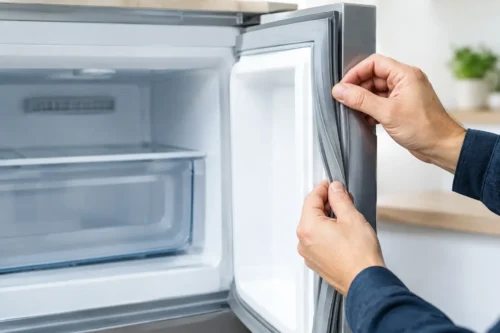
A door that will not close fully lets heat escape, makes cooking less efficient, and can cause uneven results. Replacing a worn door gasket may be relatively affordable, while damaged hinges or a failed self-clean door latch can require more labor.
Expect many door-related repairs to range from approximately $150 to $400. If the glass is broken, the cost may rise because replacement door glass is model-specific and can be expensive.
What Makes One Oven Repair More Expensive Than Another?
The part itself is only one piece of the bill. Oven repair cost also reflects the time required to diagnose the failure, safely access components, test the appliance after repair, and source the correct replacement part.
Brand and model make a difference. Common parts for many standard ranges are typically easier to obtain than parts for high-end, built-in, double-wall, or discontinued ovens. A basic heating element may be readily available, while a specialty control board or display assembly may need to be ordered.
The appliance type matters, too. Gas repairs require careful safety checks. Wall ovens can take longer to remove and reinstall than freestanding ranges. Double ovens have additional components and may require more testing to ensure both cavities operate correctly.
Age is another consideration. A well-maintained oven that is six or seven years old may be an excellent candidate for repair. An older appliance with multiple failing components, unavailable parts, or recurring electrical issues may make replacement the better long-term decision.
Repair or Replace: How to Decide
There is no single age where every oven should be replaced. A quality oven can often provide years of additional service after the right repair. The better question is whether the repair restores safe, dependable operation at a reasonable portion of replacement cost.
As a practical guideline, repair is often worth considering when the appliance is otherwise in good condition and the cost is substantially less than half the price of a comparable replacement. This is especially true for wall ovens, double ovens, and higher-end ranges, where replacement may also involve cabinet changes, electrical work, or installation costs.
Replacement may make more sense when the oven has repeated breakdowns, significant rust or structural damage, multiple expensive failed components, or a control board that is unavailable. A technician should be willing to explain the trade-off clearly rather than push a repair that does not make financial sense.
Why a Professional Diagnosis Can Save Money
An oven is not just a heating box. It combines high-voltage electrical connections, heating circuits, temperature controls, and, in gas models, fuel and ignition systems. A problem that appears simple can have a deeper cause.
For example, repeatedly replacing a heating element without checking the wiring or control relay can lead to another failure. Resetting a tripped breaker without finding out why it tripped can create a safety concern. And a gas smell, delayed ignition, sparking, smoke, or scorching around a connection should always be treated as a reason to stop using the appliance and call for service.
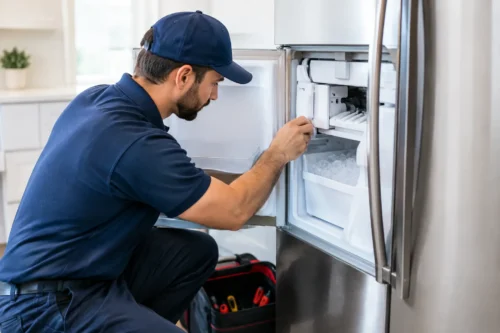
An experienced technician can test the oven safely, identify the root cause, and tell you whether the repair is practical before work begins. That clarity is especially helpful when meals, holiday plans, or rental-property schedules are already being disrupted.
Ways to Help Your Oven Last Longer
A few simple habits can reduce unnecessary wear. Avoid lining the oven floor with foil unless the manufacturer specifically allows it, since foil can restrict airflow or damage surfaces. Clean spills promptly after the oven cools, and avoid slamming the door, which can wear hinges and affect the door seal.
Use the self-clean cycle carefully. It exposes the oven to extreme heat and can place added stress on latches, thermal fuses, and electronic components, particularly in older appliances. If your oven is already showing temperature problems, error codes, or display issues, it is wise to have it checked before running a self-clean cycle.
For homeowners in St. George and throughout Southern Utah, a fast diagnosis can mean getting the kitchen back to normal without making an expensive replacement decision under pressure. Master Tech Appliance Repair approaches oven problems with that goal in mind: identify the real issue, explain the options honestly, and help you make a sound decision for your home.
When your oven stops heating, cooks unevenly, or shows an error code, do not let uncertainty force you into replacing it too soon. A clear professional assessment can turn a frustrating breakdown into a practical repair and get family meals back on schedule.