Table of Contents
- Honest Appliance Repair Service Starts With a Real Diagnosis
- Clear Pricing Means No Guessing at the Door
- Repair or Replace? The Answer Depends
- Respect for Your Home Is Part of the Service
- A Good Repair Should Address the Cause, Not Just the Symptom
- Signs You Are Working With a Trustworthy Technician
- Maintenance Helps, But It Cannot Prevent Every Breakdown
- Choose Confidence Over a Quick Guess
A refrigerator that stops cooling, a washer that will not drain, or an oven that quits before dinner creates more than an inconvenience. It disrupts the way your household works. An honest appliance repair service starts by recognizing that urgency, then giving you clear answers instead of pressure, guesswork, or a surprise bill.
For homeowners, the goal is not simply to get a machine running again. It is to know what failed, understand the realistic options, and feel confident that the repair makes sense for the appliance, the budget, and the household depending on it.
Honest Appliance Repair Service Starts With a Real Diagnosis
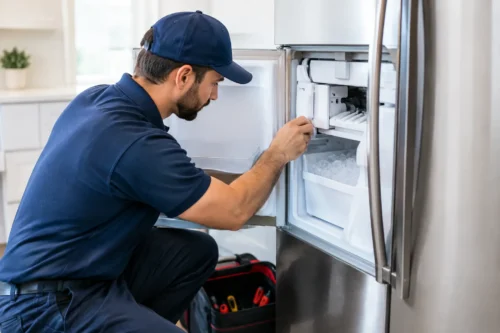
A good repair visit should begin with listening. The technician needs to know what the appliance has been doing, when the problem began, whether it is constant or intermittent, and what you have already noticed. A dishwasher that leaves water in the bottom may have a drain problem, but it could also have a filter issue, a failed pump, or an installation-related restriction. Details matter.
From there, diagnosis should be based on testing, not assumptions. Modern appliances often use electronic controls, sensors, motors, valves, and safety switches that can produce similar symptoms when different parts fail. Replacing the first likely part without confirming the cause can waste time and money.
An honest technician explains the findings in homeowner-friendly language. You should not need to understand every component inside a refrigerator or dryer. You should understand the problem, the recommended repair, and what the repair is expected to accomplish.
Clear Pricing Means No Guessing at the Door
Nobody enjoys an unexpected repair expense, especially when food is at risk in a warm refrigerator or laundry is piling up. Clear pricing does not always mean every repair costs the same. Parts, appliance brands, access to components, and the extent of the failure all affect the final price.
It does mean you should receive a straightforward explanation before work moves forward. A trustworthy service provider will separate the diagnosis from the repair when appropriate, identify the needed parts and labor, and let you decide whether to proceed. If further testing is needed before a firm repair recommendation can be made, that should be explained plainly.
Be cautious when a technician gives an immediate replacement recommendation without fully evaluating the appliance. Replacement can be the right choice, particularly for a very old unit with a major failure or repeated breakdowns. But it should be a reasoned recommendation, not a shortcut around diagnosis.
Repair or Replace? The Answer Depends
Homeowners often ask whether repairing an appliance is worth it. There is no one answer for every refrigerator, oven, washer, or dishwasher. Age matters, but it is not the only factor. A well-built appliance with a replaceable part may have years of useful life left. On the other hand, a costly sealed-system refrigerator repair or a major transmission failure in an older washer may make replacement more practical.
The best decision considers the appliance’s age, overall condition, repair cost, expected remaining life, and your household needs. A family relying on a refrigerator packed with groceries may need the fastest dependable solution. A property owner may be weighing repair cost against the timeline for a tenant. Retirees may value keeping a familiar, reliable appliance operating rather than learning a new set of controls.
An honest recommendation includes the trade-off. It may sound like this: the repair is likely to restore normal operation, but the appliance is nearing the age where future repairs become more likely. That is useful information. It gives you control over the decision.
Respect for Your Home Is Part of the Service
Technical skill is essential, but in-home service also requires professionalism. The technician is working in your kitchen, laundry room, garage, or outdoor living area. Your home should be treated with care from arrival through cleanup.
That includes showing up within the communicated schedule, protecting nearby surfaces as needed, using appropriate tools, and leaving the work area orderly. It also means respecting your time. If a part must be ordered, you should know what happens next rather than wondering whether you need to start calling around again.
For Southern Utah homeowners, local accountability matters. You want someone who understands that a failed refrigerator can quickly lead to spoiled food in warm weather, or that a broken ice maker can become a real frustration when family and guests are over. Reliable service is not just about the repair itself. It is about minimizing disruption to everyday life.
A Good Repair Should Address the Cause, Not Just the Symptom
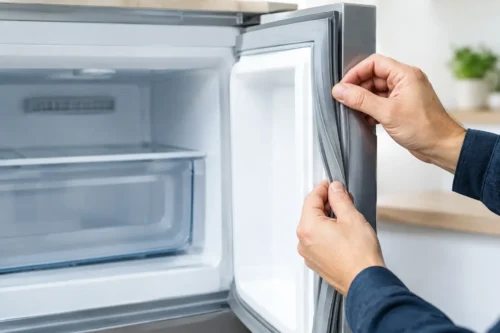
Some appliance problems have a visible symptom but a deeper cause. A dryer that takes too long to dry may have a failed heating component, but restricted venting can also contribute to poor performance and added strain. A refrigerator that leaks may need a water-line repair, a drain system correction, or attention to an ice maker connection.
A quality repair focuses on what will restore safe, dependable operation. If a related issue could affect the repair or lead to another service call, a technician should mention it. That does not mean every visit should become a long list of add-ons. It means you deserve to know when a problem is connected to something else that needs attention.
There is a balance here. Not every worn cosmetic part needs replacement, and not every older appliance needs a full overhaul. Honest service distinguishes between what is necessary now, what may be worth monitoring, and what is optional.
Signs You Are Working With a Trustworthy Technician
Trust is built in small moments during a service call. A technician who asks questions, tests the appliance carefully, and explains the results is showing respect for both the equipment and the homeowner. So is someone who acknowledges uncertainty when a problem is intermittent or when additional testing is required.
Look for practical communication. You should know whether the appliance is safe to use while waiting for a part, whether there are temporary steps you can take, and how to avoid making the problem worse. For example, repeatedly resetting a tripping appliance or forcing a door, drawer, or control panel can turn a manageable repair into a larger one.
A dependable repair professional also stands behind the work. If the appliance needs a return visit because of a part order or a related issue, the next steps should be clear. Master Tech Appliance Repair approaches every call with that owner-led accountability: diagnose carefully, communicate honestly, and repair what makes sense.
Maintenance Helps, But It Cannot Prevent Every Breakdown
Basic care can extend appliance life and catch small concerns before they become urgent. Cleaning refrigerator coils when accessible, clearing dishwasher filters, checking washer hoses, and keeping dryer vents free of lint are all worthwhile habits. They can improve performance and reduce unnecessary strain.
Still, maintenance is not a guarantee against failure. Electronics can fail without warning. Water valves wear out. Motors and pumps eventually reach the end of their service life. Homeowners should not feel blamed when an appliance breaks down, especially when it has been used normally.
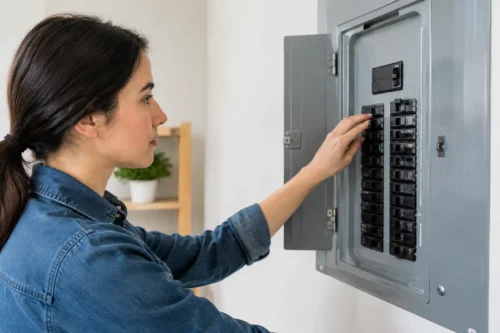
The practical approach is to handle routine maintenance when you can and call for help when an appliance shows warning signs. Burning odors, repeated breaker trips, water leaks, unusual grinding, failure to cool, and sparking or smoke all deserve prompt attention. In cases involving electrical hazards, smoke, or a gas smell, stop using the appliance and address safety first.
Choose Confidence Over a Quick Guess
When an appliance fails, the fastest option can be tempting. But a quick guess, a vague price, or a rushed replacement recommendation can cost more in the long run. The right repair experience gives you facts, options, and a clear path forward.
Your appliances support meals, clean clothes, food storage, and the routines that make a house feel like home. Choose service that treats those routines with the care they deserve, and you will have a better chance of making a repair decision you feel good about.