Table of Contents
- What causes a dishwasher not draining issue?
- Dishwasher not draining repair starts with safe checks
- Under-sink problems that often get missed
- When the problem is inside the dishwasher
- Signs you should stop and call for dishwasher not draining repair
- Why drainage problems should be handled quickly
- What professional dishwasher repair usually includes
- A few habits that help prevent future drain problems
When you open the dishwasher and find cloudy water sitting in the bottom, the whole kitchen routine gets thrown off. Dishwasher not draining repair usually starts with a simple question: is this a quick blockage you can safely clear, or is it a pump, drain, or installation issue that needs a trained technician?
A dishwasher that will not drain is more than an annoyance. Standing water leads to odors, dirty dishes, and the risk of overflow if the next cycle starts before the problem is fixed. For busy households in Southern Utah, that can mean hand-washing dishes after dinner, delays before guests arrive, or a mess under the sink that no one has time for.
What causes a dishwasher not draining issue?
Most drainage problems come down to one of a few trouble spots. Food debris can clog the filter, the drain hose can kink or plug up, the garbage disposal connection can back things up, or the drain pump can fail. Sometimes the dishwasher itself is fine, but the sink drain system is restricted and the water has nowhere to go.
That matters because the right repair depends on the real cause. A homeowner might clean the filter and still have water left behind because the issue is actually farther down the line. On the other hand, replacing parts too early can waste money when the fix is only a blockage.
Modern dishwashers also add some confusion. A small amount of clean water in the sump area can be normal on certain models. What is not normal is a visible pool of dirty water covering the bottom of the tub after the cycle ends.
Dishwasher not draining repair starts with safe checks
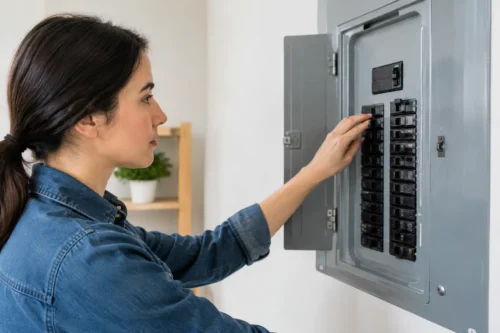
Before doing anything else, turn off power to the dishwasher at the breaker or unplug it if the plug is accessible. If there is a lot of standing water, remove it carefully with a cup and towel or a wet vacuum. This makes the next steps easier and reduces the chance of a spill when parts are opened.
Start with the filter area inside the tub. Many dishwashers have a removable filter and cover near the bottom center. If that area is packed with grease, paper labels, broken glass, or food residue, drainage can slow down or stop. Rinse the filter thoroughly and wipe out the sump opening carefully. If you see sharp debris, use gloves.
Next, run the kitchen sink. If the sink is draining slowly too, the dishwasher may be reacting to a larger drain problem. A dishwasher often discharges through the same plumbing, so a sink backup can look like a dishwasher failure when it really is not.
Then check the garbage disposal if one is installed. A recent disposal replacement is a common reason for sudden drainage trouble. If the installer forgot to remove the knockout plug where the dishwasher hose connects, the dishwasher cannot drain at all. This is one of those small issues that causes a big headache.
Under-sink problems that often get missed
Open the cabinet under the sink and inspect the dishwasher drain hose. Look for kinks, crushing, or sagging sections where debris can collect. The hose should also rise in a high loop under the counter if the installation calls for it. Without that rise, dirty sink water can flow back toward the dishwasher.
This is where dishwasher not draining repair becomes less about the appliance alone and more about the full drain path. If the hose is blocked with grease or buildup, clearing the dishwasher interior will not solve the problem for long. If the hose is brittle or damaged, replacement is usually the better fix.
Some homeowners are comfortable disconnecting and flushing a hose. That can work, but it depends on access, the age of the fittings, and whether water can be contained cleanly. If the dishwasher is hardwired, tucked tightly under stone counters, or connected in a cramped cabinet, a simple hose check can turn into a frustrating service call halfway through.
When the problem is inside the dishwasher
If the filter is clean, the sink drains normally, and the hose looks fine, the issue may be internal. The drain pump is a common suspect. When the dishwasher enters the drain portion of the cycle, you may hear a humming noise with no water movement. That can mean the pump is obstructed, jammed, or failing.
The drain solenoid or check valve can also cause trouble on some models. On others, a control board or timer issue may prevent the machine from sending power to the drain system at the right time. A door latch problem can even interrupt the cycle in a way that leaves water behind.
These are not good guess-and-replace situations. Dishwashers vary by brand and model, and the same symptom can point to different failures. An experienced technician will usually test the drain circuit, inspect the pump, verify proper voltage, and check for obstructions before recommending parts.
Signs you should stop and call for dishwasher not draining repair
There is a point where continuing to troubleshoot on your own stops saving time. If you notice water leaking onto the floor, a burning smell, repeated breaker trips, grinding noises, or signs of electrical damage, professional service is the safer move.
The same goes for built-in units that are difficult to remove or for households dealing with an older machine. Sometimes the drain issue is only one of several wear-related problems. A technician can tell you whether the repair is straightforward and worthwhile or whether the dishwasher is nearing the end of its useful life.
For homeowners, that honest guidance matters. You do not want to spend money on the wrong part, lose an evening pulling the dishwasher out, and still end up with standing water the next day.
Why drainage problems should be handled quickly
A dishwasher that is not draining can seem like a problem you can put off for a week. In practice, delays often make things worse. Dirty water left in the machine creates odor, encourages residue buildup, and can strain the pump if the dishwasher keeps trying to cycle.
There is also the sanitation issue. If wastewater remains in the tub, dishes may not come out as clean as they should. For families, that affects daily meals. For retirees and busy professionals, it is another disruption in a schedule that already feels full.
In some cases, repeated backups can damage surrounding cabinetry or flooring, especially if water escapes during a later cycle. A repair that starts as a clogged filter can become a larger cleanup if it is ignored.
What professional dishwasher repair usually includes
A proper service visit should do more than remove the water and restart the machine. The technician should identify why the unit failed to drain in the first place, inspect for related issues, and confirm the dishwasher is draining correctly before leaving.
That may include cleaning or clearing the drain path, checking the pump and motor, inspecting the air gap or disposal connection, testing electrical components, and verifying the installation setup under the sink. If a part has failed, the repair should match the model instead of relying on trial and error.
That level of diagnosis is especially valuable with premium or older dishwashers where parts can be expensive. A good repair is not just about getting one more cycle to run. It is about restoring dependable performance so the problem does not come right back.
For many local homeowners, that is why they choose an experienced company like Master Tech Appliance Repair. They want honest answers, clean in-home service, and a repair done right the first time whenever possible.
A few habits that help prevent future drain problems
Once the dishwasher is working again, a little routine maintenance can reduce the chance of another backup. Cleaning the filter regularly helps more than most people realize. Scraping heavy food off plates before loading also makes a difference, especially in households that run frequent loads.
It helps to keep the sink drain and garbage disposal in good shape too, since those systems often work together. If your dishwasher has had repeat drainage issues, it may be worth having the hose routing and installation checked. Sometimes the long-term fix is not about how you use the machine but how it was connected in the first place.
If your dishwasher is leaving water behind, trust what you are seeing. A unit that drains poorly rarely fixes itself, and early attention usually means a simpler repair, less mess, and a faster return to normal kitchen life.