Table of Contents
- When Maytag Repair Makes More Sense Than Replacement
- Common Maytag Repair Problems Homeowners Notice
- Maytag washer and dryer concerns
- Refrigerator and freezer trouble
- Dishwasher, oven, and range issues
- A Few Checks to Make Before Scheduling Service
- What a Proper Maytag Service Visit Should Provide
- Help Your Maytag Appliance Last Longer After Repair
A Maytag appliance usually earns its place in a home by handling the work nobody has time to think about – keeping groceries cold, getting laundry done, cleaning up after dinner, or making ice before company arrives. When it stops doing that job, Maytag repair becomes less about the appliance itself and more about getting your household routine moving again.
A washer that will not spin can leave a family behind on laundry in a single weekend. A refrigerator that is not cooling properly can put an expensive grocery trip at risk. The good news is that many Maytag problems have repairable causes. A thorough diagnosis can identify whether a worn component, airflow issue, drain restriction, control problem, or installation concern is behind the failure.
When Maytag Repair Makes More Sense Than Replacement
The decision to repair or replace depends on the appliance’s age, condition, repair cost, and how it has performed over time. There is no single answer that fits every home. A relatively new Maytag washer with a failed drain pump is often a strong repair candidate. An older refrigerator with multiple major issues, repeated service needs, and declining cooling performance may call for a more careful conversation.
For many homeowners, replacing an appliance before a diagnosis is costly guesswork. A machine can look like it has reached the end of its life when the actual issue is a damaged door switch, faulty heating element, worn belt, failed inlet valve, or blocked drain line. These parts matter, but they do not automatically mean the entire appliance needs to be replaced.
A professional diagnosis provides the details needed to make a sensible choice. It should account for the condition of the appliance, the availability and cost of parts, the likely longevity of the repair, and whether another significant issue is waiting in the background. Honest advice matters here. The right repair is one that restores reliable service without asking you to spend money on a temporary fix that does not make practical sense.
Common Maytag Repair Problems Homeowners Notice
Maytag appliances are built across several product categories, so symptoms can vary widely. Still, most service calls begin with a few familiar warning signs.
Maytag washer and dryer concerns
A Maytag washer may stop mid-cycle, fail to drain, make a grinding or banging sound, leak onto the floor, or leave clothes wetter than expected. These symptoms can point to problems with the drain pump, lid lock, suspension, drive system, water valve, pressure switch, or electronic controls. Front-load and top-load washers have different designs, so a proper diagnosis should not rely on a one-size-fits-all assumption.
Dryer issues often show up as long dry times, no heat, unusual noise, or a drum that will not turn. Sometimes the repair involves a failed heating component or worn drum support parts. Other times, restricted venting is the real problem. A clogged or poorly routed dryer vent can reduce performance, increase wear on the appliance, and create a safety concern. Cleaning the lint screen after every load helps, but it does not replace periodic inspection of the full vent path.
Refrigerator and freezer trouble
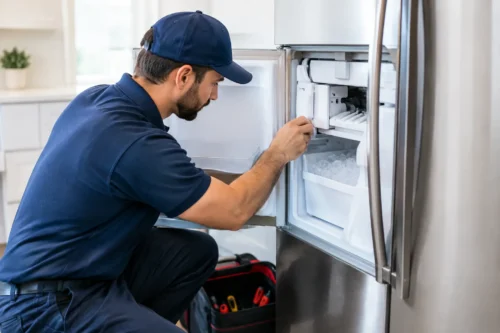
A refrigerator that feels warm, runs constantly, leaks water, makes loud noises, or produces little to no ice should be checked promptly. Food safety and spoilage can become concerns quickly, especially during Southern Utah’s hotter months. Refrigerators depend on several systems working together: airflow, fans, defrost components, temperature sensors, sealed-system performance, and controls.
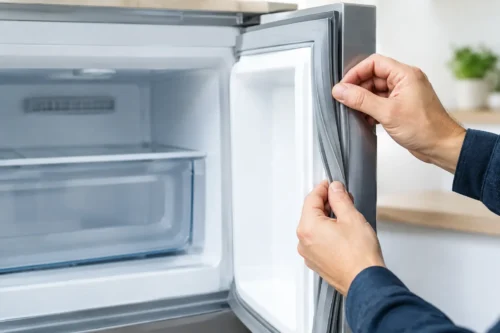
Homeowners can first confirm that doors are closing fully, vents inside the refrigerator are not blocked by food, and condenser areas are reasonably clean where accessible. If temperatures remain inconsistent, frost builds up unusually, or the ice maker has stopped working, it is time for a qualified technician to pinpoint the cause. Adjusting settings repeatedly or unplugging the unit may temporarily change the symptom, but it rarely fixes the underlying failure.
Dishwasher, oven, and range issues
A Maytag dishwasher that leaves dishes dirty, holds water in the bottom, leaks, or will not start can interrupt every meal cleanup. The cause may be as simple as a filter that needs attention, but it can also involve the drain pump, wash motor, door latch, water inlet, or control system. If standing water remains after a cycle, avoid running the dishwasher over and over. That can make a leak or drainage issue worse.
For ovens and ranges, uneven cooking, failure to heat, a burner that will not ignite, or an oven door that will not lock correctly deserves professional attention. Electric and gas appliances each carry different risks. Gas odor, sparking, repeated clicking, or breaker trips are not symptoms to ignore or work around.
A Few Checks to Make Before Scheduling Service
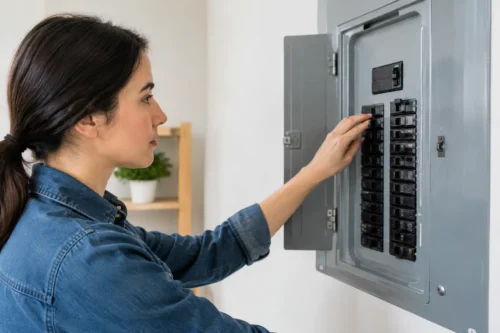
There are sensible homeowner checks that can save time, provided they do not involve opening panels, handling wiring, or working around gas connections. Start by confirming the appliance has power. Check the breaker, outlet, and power cord condition. For a washer or dishwasher, make sure water supply valves are open and supply hoses are not kinked.
For a refrigerator, verify that temperature controls were not bumped and that interior air vents have room to circulate. For a dryer, clean the lint screen and look for obvious crushing or disconnection behind the appliance. If your Maytag model displays an error code, write it down exactly as it appears. That information is useful, although an error code is a starting point for diagnosis, not a guaranteed parts diagnosis.
Do not keep resetting a tripped breaker, bypass a door switch, force a stuck control, or disassemble the appliance to chase a symptom. Water, electricity, heat, and gas components can turn a frustrating repair into a dangerous situation. If there is smoke, a burning smell, visible sparking, a gas odor, or active leaking near electrical connections, stop using the appliance and arrange service promptly.
What a Proper Maytag Service Visit Should Provide
Good appliance repair starts with listening. The details you notice at home can help narrow the investigation: when the noise occurs, whether the failure is constant or intermittent, what happened before the problem started, and whether an error code appeared. A technician should then test the appliance’s relevant components rather than simply replacing the most common part associated with a symptom.
That distinction is especially valuable with modern Maytag appliances. A washer that will not start may have a lid-lock issue, but it could also have a control, wiring, power, or user-interface problem. A refrigerator that is not cold enough could involve airflow or defrost trouble rather than the compressor many homeowners understandably fear. Accurate testing protects you from unnecessary parts and repeat visits.
After diagnosis, you should receive a clear explanation of the problem and the available repair path. Sometimes the repair can be completed during the same visit when the needed part is available. Other times, a specific part must be ordered. Either way, the goal is clear communication, clean in-home work, and a repair that supports dependable day-to-day use.
Master Tech Appliance Repair brings owner-led, factory-trained experience to Maytag service for homeowners in St. George and nearby Southern Utah communities. Whether the problem is a laundry pile that keeps growing or a refrigerator that is threatening the week’s groceries, experienced help can replace uncertainty with a clear plan.
Help Your Maytag Appliance Last Longer After Repair
Most appliances benefit from simple, consistent care. Do not overload washers, and use the detergent amount recommended for your machine, especially in high-efficiency models. Keep dryer lint screens clean and have the venting checked regularly. Clean refrigerator spills and avoid packing shelves so tightly that air cannot move. Run dishwasher cleaning cycles as appropriate, clean filters according to the model guidance, and check door gaskets for damage or food buildup.
These habits cannot prevent every mechanical or electronic failure. Parts wear out, seals age, and controls can fail without warning. But routine care can reduce strain and help you notice smaller changes before they become a major interruption.
When a Maytag appliance starts acting differently, trust the warning signs. Prompt, informed service can often protect your food, your time, and the routines that make home feel manageable.