Table of Contents
- Start With the Symptom, Not the Assumption
- Frigidaire Refrigerator Repair: Protect Food First
- Ice Makers, Water Leaks, and Frost Buildup
- Oven and Range Problems Need a Safety-First Approach
- Dishwasher Repair: Do Not Ignore Leaks or Poor Cleaning
- Washer and Dryer Issues Can Disrupt the Entire Week
- When to Schedule Frigidaire Repair
- What a Good Repair Visit Should Provide
A refrigerator that stops cooling can put a week of groceries at risk. A washer that will not drain can stop laundry in the middle of a busy household. Frigidaire repair is about more than getting an appliance to turn back on – it is about restoring the routines your home depends on without wasting money on guesswork.
Frigidaire makes a broad range of dependable home appliances, but every appliance experiences wear over time. A loose connection, blocked drain, worn door seal, failing heating component, or control issue can create symptoms that seem small at first and become much more disruptive later. Knowing what to check safely and when to call a trained technician can protect both your appliance and your home.
Start With the Symptom, Not the Assumption
Homeowners often search for a single replacement part as soon as an appliance acts up. That can lead to unnecessary purchases because several different failures may produce the same symptom. A refrigerator that feels warm, for example, may have dirty condenser coils, a failed evaporator fan, a defrost problem, a damaged gasket, or an issue with the compressor system.
The same is true for a dishwasher that leaves dishes dirty. The cause could be loading habits or low water temperature, but it could also be a clogged spray arm, worn circulation pump, faulty inlet valve, or heating problem. Proper diagnosis matters because replacing the wrong part costs time and rarely solves the underlying issue.
Before scheduling service, take note of when the problem began, whether an error code appears, and what the appliance is doing differently. Is the noise constant or only present during a cycle? Does the issue happen with every load? Has there been a power outage, a plumbing interruption, or a recent move? Those details help a technician reach the right answer more efficiently.
Frigidaire Refrigerator Repair: Protect Food First
A refrigerator or freezer failure deserves quick attention. In Southern Utah, high outdoor temperatures can make it harder for a struggling refrigerator to maintain safe temperatures, especially in a garage or a kitchen that gets heavy afternoon sun.
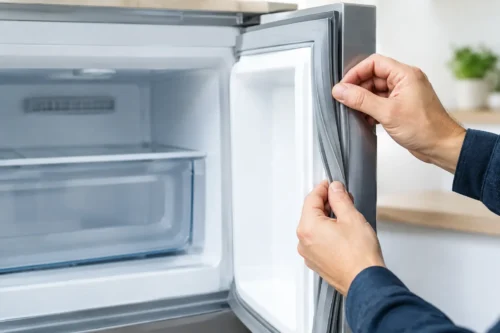
If the refrigerator is not cooling well, confirm that the controls were not accidentally changed and make sure vents inside the refrigerator are not blocked by food containers. Check that the doors are closing fully and that the gaskets are clean and free of tears. Dusty condenser coils can also reduce performance, so cleaning accessible coils carefully may help on models designed for homeowner access.
Move perishable food to a working refrigerator or insulated cooler if temperatures rise above safe levels. Do not assume food is safe simply because it still feels cool. If the freezer is thawing or the refrigerator is clearly warm, professional service is the sensible next step.
Ice Makers, Water Leaks, and Frost Buildup
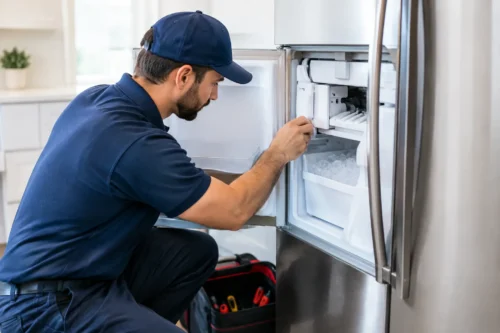
Ice maker problems are frustrating, but the repair is not always inside the ice maker itself. A clogged water filter, restricted supply line, frozen fill tube, low water pressure, or faulty valve can all prevent proper ice production. Forcing parts or using sharp objects to clear ice can damage plastic components and water lines.
Water beneath the refrigerator may come from a blocked defrost drain, loose supply connection, damaged water line, or overflowing drain pan. Frost collecting on the freezer back wall often points to a defrost-related issue or an air leak through a worn gasket. These problems can become more expensive if they are left long enough to strain the cooling system.
Oven and Range Problems Need a Safety-First Approach
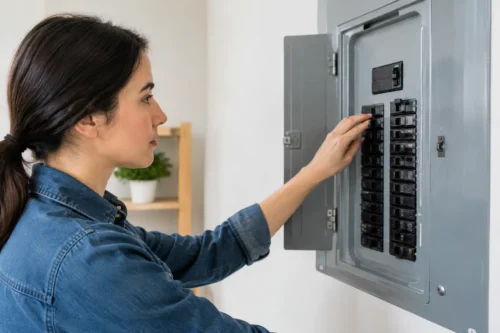
An oven that takes too long to preheat, cooks unevenly, or displays an error code can turn dinner into a daily frustration. Some basic checks are reasonable, such as confirming the clock and cooking mode are set correctly, making sure the door closes properly, and checking a tripped breaker if the unit has no power.
Beyond those checks, electric and gas cooking appliances should be handled carefully. Heating elements, temperature sensors, control boards, igniters, and wiring all require accurate testing. Replacing a part based on appearance alone can leave the original failure unresolved.
For a gas range, stop using the appliance and arrange service if you smell gas, hear a persistent hissing sound, or see an abnormal flame. A normal gas flame is generally steady and blue. Do not try to repair gas connections yourself. If you suspect an active gas leak, leave the area and contact your gas utility or emergency services as appropriate.
Dishwasher Repair: Do Not Ignore Leaks or Poor Cleaning
A Frigidaire dishwasher that will not start may have a door latch problem, control lock setting, electrical issue, or failed component. If it runs but leaves standing water, first check the filter area for food debris and make sure the kitchen sink drain is flowing normally. A clogged disposal connection or drain hose can also affect dishwasher drainage.
Poor cleaning performance may improve when spray arms are rinsed and dishes are loaded so water can reach every surface. However, recurring residue, cold-water cycles, gritty dishes, or a dishwasher that stops mid-cycle may indicate a mechanical or electrical problem that needs diagnosis.
Leaks should never be treated as a minor inconvenience. Even a small amount of water can damage flooring, cabinetry, and subflooring over time. Stop the cycle, dry the area, and avoid running the dishwasher again until the source of the leak is identified.
Washer and Dryer Issues Can Disrupt the Entire Week
When a washer will not spin or drain, do not keep restarting the cycle hoping it will clear. Remove wet laundry if possible, check for an obvious kink in the drain hose, and confirm the lid or door is closing correctly. A drain pump obstruction, worn suspension component, door lock issue, belt problem, or control failure may be involved.
A dryer that runs but does not heat can have a failed heating component, thermostat, fuse, gas ignition issue, or power supply problem. If clothes take multiple cycles to dry, restricted airflow is a common concern. Clean the lint screen after every load, and make sure the exterior vent flap can open freely.
Do not operate a dryer with a crushed, disconnected, or heavily clogged vent. Restricted airflow wastes energy, increases wear on the appliance, and can create a serious fire hazard. Professional inspection is worthwhile when drying times remain long after basic lint cleaning.
When to Schedule Frigidaire Repair
A homeowner can safely handle simple maintenance and basic checks, but certain situations call for professional help right away. Schedule Frigidaire repair when you notice any of the following:
- A refrigerator or freezer cannot hold a safe temperature, is repeatedly cycling, or has heavy frost buildup.
- An appliance leaks water, trips a breaker, produces a burning smell, or makes loud grinding or banging noises.
- An oven, range, dryer, or microwave has heating issues, electrical symptoms, or any possible gas-related concern.
- An error code returns after a reset, or the appliance fails repeatedly during the same part of a cycle.
- You have already checked the obvious items and do not want to risk damaging the appliance with an incorrect repair.
Professional repair is not automatically the best choice in every case. Age, condition, repair cost, part availability, and the appliance’s overall history all matter. A quality technician should be honest about whether repairing your Frigidaire appliance is likely to provide dependable service or whether replacement deserves consideration.
What a Good Repair Visit Should Provide
A reliable service visit should begin with listening. Your technician should ask about the symptoms, inspect the appliance carefully, test the relevant systems, and explain the findings in clear language. You should understand what failed, what the repair involves, and what factors could affect the long-term result before work begins.
At Master Tech Appliance Repair, the focus is on accurate diagnosis and practical repairs that help local households get back to normal. That means respecting your home, communicating clearly, and addressing the cause of the failure rather than simply treating the most visible symptom.
Keeping appliance manuals, model numbers, and service history available can make future repairs easier. More importantly, act early when a Frigidaire appliance begins showing unusual behavior. A timely repair can often protect your food, prevent water damage, and keep a small interruption from becoming a much larger household problem.