Table of Contents
- Can Cracked Cooktops Be Repaired, or Must They Be Replaced?
- Why a Cracked Glass Cooktop Is a Safety Issue
- Different Cooktop Materials Call for Different Answers
- Glass-Ceramic Electric and Induction Cooktops
- Gas Cooktops With a Glass Surface
- Enamel or Metal Cooktops
- What Causes Cooktops to Crack?
- Do Not Use DIY Crack Repairs
- When a Cooktop Surface Replacement Makes Sense
- What to Do After You Find a Crack
A crack across a cooktop can turn a normal dinner routine into a safety concern fast. If you are asking, can cracked cooktops be repaired, the honest answer is that it depends on the type of cooktop and the damage – but a cracked glass surface is rarely something to keep using or fix with a simple patch.
The good news is that a crack does not always mean replacing the entire range. In many cases, a qualified appliance technician can determine whether the cooktop surface itself can be replaced and whether the rest of the appliance is still worth saving. That diagnosis matters, especially when a working oven, controls, and burners are otherwise in good condition.
Can Cracked Cooktops Be Repaired, or Must They Be Replaced?
A crack in a smooth glass, ceramic, or induction cooktop generally cannot be safely repaired with glue, resin, or a surface filler. The glass-ceramic panel is designed to withstand high heat while supporting cookware and protecting electrical components underneath. Once it is cracked, its strength and heat resistance are compromised.
What may be repairable is the appliance as a whole. Depending on the make and model, a technician may be able to replace the complete cooktop panel rather than replace the full range. This is a different job from repairing the crack itself. The damaged surface is removed, compatible replacement parts are installed, and the burner elements, wiring, insulation, and controls are inspected before the appliance is put back into service.
Whether that is the right choice comes down to the range’s age, condition, part availability, and the cost of the repair compared with replacement. An honest recommendation should account for all of those factors, not just the visible damage.
Why a Cracked Glass Cooktop Is a Safety Issue
Even a hairline crack deserves attention. Heat causes the surface to expand and contract, and a small crack can spread without warning. A hot pot may place extra pressure on the weak area, causing a larger break or allowing hot food and liquid to reach the components below.
On an electric radiant or induction cooktop, that can create a risk of electric shock, short circuits, damaged burner elements, or fire. Spills can also become trapped beneath the glass, where they are difficult to clean and may damage wiring. The sharp edges of a deeper crack are another hazard in a busy kitchen, especially for children or anyone reaching across the range.
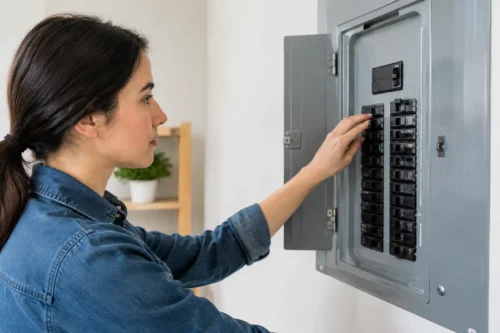
For these reasons, do not continue cooking on a cracked smooth-top range while waiting to see if the damage gets worse. Turn the appliance off at the circuit breaker if the crack is significant, if liquid has spilled into it, or if you notice sparking, an error code, a burning smell, or unusual burner behavior.
Different Cooktop Materials Call for Different Answers
Not every damaged cooktop has the same repair path. The material and location of the crack make a real difference.
Glass-Ceramic Electric and Induction Cooktops
These are the most common cooktops homeowners mean when they mention a cracked surface. They have a flat black, gray, or patterned glass-ceramic top with heating zones beneath it. The surface is one integrated protective component, so cracks are not safely filled or bonded back together.
A replacement glass top may be possible if the manufacturer still supplies the part. This can be a practical repair on a newer range or a higher-quality built-in cooktop. On an older model, the panel may be discontinued or expensive enough that replacing the appliance makes more financial sense.
Gas Cooktops With a Glass Surface
Some gas cooktops use a glass or ceramic base beneath the burner assemblies. A crack here also requires professional attention. Although the heating method differs from electric or induction models, the surface still supports components and may be exposed to heat, spills, and stress.
Do not try to remove burners or seal a cracked gas surface yourself. Burner alignment, gas connections, ignition wiring, and proper reassembly are all essential to safe operation.
Enamel or Metal Cooktops
A chip or crack in an enamel-coated metal cooktop is usually less urgent than a break in glass-ceramic, but it should still be evaluated. Small enamel chips can expose metal to rust and make the surface harder to clean. In some cases, the damaged area can be professionally treated or the affected component can be replaced.
If the metal itself is bent, split, loose, or damaged around a burner, the repair needs more than cosmetic attention. Proper burner support and safe clearances matter.
What Causes Cooktops to Crack?
Understanding the cause can help prevent a repeat problem after repair or replacement. Thermal shock is a frequent culprit. Placing a cold item on a very hot surface, spilling cold liquid onto a hot burner zone, or exposing the cooktop to rapid temperature changes can stress glass-ceramic material.
Impact damage is another common cause. A heavy Dutch oven, cast-iron skillet, or dropped utensil can crack the surface, sometimes immediately and sometimes after the weakened area is heated later. Oversized cookware, rough-bottomed pans, and dragging cookware across the cooktop can also cause damage over time.
Occasionally, the issue is related to installation or underlying appliance conditions. A cooktop that is not properly supported, a range that is not level, or overheating components beneath the surface can contribute to stress. A professional inspection can help identify whether the crack was a one-time accident or a symptom of another problem.
Do Not Use DIY Crack Repairs
Online repair kits and high-temperature adhesives may sound like an affordable fix, but they are not designed to restore the structural strength or electrical protection of a cooktop. A product that looks acceptable when the range is cool may fail under repeated heating cycles.
Avoid sealing a cooktop crack with epoxy, caulk, tape, or a glass repair compound. These materials can smoke, discolor, trap moisture, interfere with heat transfer, and make a later professional repair more difficult. They can also mask the damage without making the appliance safe.
It is also unwise to keep using only the burners away from the crack. Heat moves through the glass surface, and the crack can spread even if the damaged area is not directly over an active burner.
When a Cooktop Surface Replacement Makes Sense
A technician will typically inspect the crack, test relevant components when safe to do so, and look at the overall condition of the appliance. Surface replacement often makes sense when the range is relatively new, the oven and controls are dependable, and the correct manufacturer part is available at a reasonable cost.
Replacement may be the better choice when the appliance is near the end of its expected service life, multiple burners are failing, the replacement panel is discontinued, or the total repair approaches the cost of a comparable new unit. Built-in cooktops require an additional consideration: finding a replacement that fits the existing countertop cutout may be more involved than repairing the current unit.
This is why a diagnosis is more useful than guessing from a photo or relying on a temporary fix. You deserve a clear explanation of the problem, the available options, and the expected cost before making a decision.
What to Do After You Find a Crack
First, stop using the cooktop. Let it cool completely if it is hot, and avoid placing anything on the damaged area. If there has been a spill, smoke, sparking, or any sign that liquid reached below the surface, turn off power to an electric cooktop at the breaker. For a gas unit, avoid operating the burners and watch for any gas odor. If you smell gas, leave the area and follow your gas provider’s emergency instructions.
Take a clear photo of the crack and write down the appliance brand and model number. This information helps determine whether a replacement surface may be available. Do not disassemble the range, remove the glass, or attempt to test wiring yourself.
For homeowners in St. George and Southern Utah, Master Tech Appliance Repair can inspect the appliance, explain whether a cooktop surface replacement is practical, and help you make a safety-first decision. A careful repair can preserve a good appliance. When replacement is the wiser route, knowing that before the next meal is on the line brings welcome peace of mind.