Table of Contents
- When Appliance Repair Santa Clara Service Makes Sense
- Problems That Deserve a Professional Diagnosis
- What a Reliable Service Visit Should Look Like
- Protecting Your Appliances Between Repairs
- Repair or Replace? Ask the Questions That Matter
- A Faster Response Starts With Good Information
A refrigerator that stops cooling can put a week of groceries at risk. A washer that will not drain can turn one missed laundry day into a pile of towels and school clothes. When these problems interrupt your household, appliance repair Santa Clara homeowners can rely on is about more than fixing a machine. It is about getting your kitchen, laundry room, and daily routine back on track without guessing whether repair or replacement makes sense.
For many appliance problems, the warning signs start small. A dishwasher leaves a cloudy film on glasses. A dryer needs two cycles to dry a normal load. An oven takes longer than usual to preheat. Paying attention early can often prevent a more disruptive breakdown later.
When Appliance Repair Santa Clara Service Makes Sense
A broken appliance is frustrating, but it is not automatically ready for the landfill. Many common failures involve a worn part, a drainage restriction, an ignition issue, a failed sensor, or an electrical component that can be diagnosed and replaced. A trained technician can identify the actual source of the problem rather than replacing parts based on a symptom alone.
Repair is often a practical choice when the appliance has been dependable, the issue is isolated, and the cost of the repair is reasonable compared with a comparable replacement. This is especially true for appliances that are only a few years old or are built into cabinetry, where replacement can create added installation work.
It depends, however, on the appliance’s age, condition, and repair history. An older unit with multiple ongoing problems may no longer be the most economical option. A good service professional should explain what failed, discuss the expected repair, and give you honest information so you can make the right decision for your home.
Problems That Deserve a Professional Diagnosis
Some issues look simple from the outside but have several possible causes. A refrigerator that is warm, for example, might have a dirty condenser area, a failed fan motor, a defrost problem, a control issue, or a sealed-system concern. Repeatedly adjusting the temperature control will not solve the underlying failure.
The same is true throughout the home. A dishwasher that does not clean well may have a circulation issue, water-temperature problem, blocked spray arms, or a detergent-related concern. A dryer that takes too long may have a venting restriction, but it could also have a heating, airflow, or sensor problem. Diagnosis matters because the right repair starts with knowing why the appliance is failing.
Call for service when you notice any of the following:
- A refrigerator or freezer is not holding a safe temperature, leaks water, or makes a new persistent noise.
- A washer will not spin, drain, fill, or complete its cycle.
- A dryer has weak heat, takes multiple cycles, makes scraping sounds, or gives off a burning odor.
- A dishwasher leaks, fails to drain, leaves dirty dishes, or has standing water after a cycle.
- An oven, range, microwave, or cooktop will not heat correctly, has unreliable burners, or displays an error code.
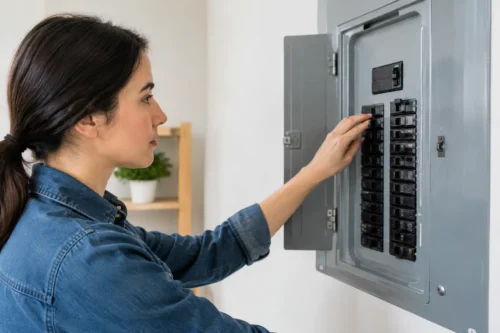
Electrical smells, visible sparking, smoke, gas odors, or a tripped breaker that continues to trip are reasons to stop using the appliance. Do not attempt a repair on a gas or electrical appliance if you are unsure of the cause. Turn the appliance off when it is safe to do so and arrange professional help.
What a Reliable Service Visit Should Look Like
Homeowners should not have to settle for vague explanations or a rushed guess. A professional appliance service visit begins with listening to what changed, when the problem occurs, and whether there are error messages, unusual sounds, leaks, or performance changes. Those details help narrow the diagnosis before the appliance is opened.
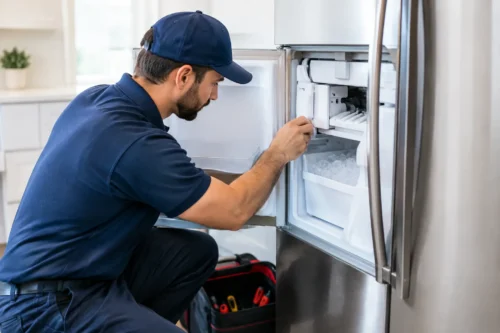
The technician should then inspect the appliance, test the relevant components, and explain the findings in plain language. You deserve to know whether a repair is advisable, what part or labor may be needed, and whether there are factors that could affect timing or cost. Straight answers are especially important when a refrigerator is full of food, laundry is backing up, or a kitchen appliance has failed before a family gathering.
Owner-led service also creates real accountability. At Master Tech Appliance Repair, the focus is on careful diagnosis, respectful in-home service, and repairs that support long-term performance instead of temporary guesswork. With more than 20 years of appliance industry experience, the goal is to help homeowners make a confident decision and restore the convenience they depend on.
Protecting Your Appliances Between Repairs
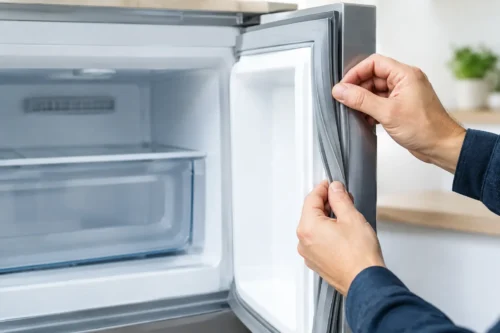
Not every breakdown can be prevented, but a few routine habits can reduce unnecessary strain. Keep refrigerator door gaskets clean so cold air stays inside, and avoid packing vents tightly with food containers. If your refrigerator has a water filter, replace it on schedule to support ice-maker and dispenser performance.
For dishwashers, rinse heavy food debris from dishes and check the filter regularly if your model has one. This does not mean every dish needs to be spotless before loading. It means preventing bones, labels, and large food particles from collecting where they can affect drainage and wash performance.
Laundry appliances benefit from proper loading. Overfilling a washer can strain the suspension and leave clothes poorly cleaned or spun out. Overloading a dryer limits airflow and lengthens drying time. Clean the lint screen after every load, and have the dryer vent inspected when drying times increase. A clear vent supports efficiency and helps reduce a serious fire risk.
Ranges and ovens need attention too. Wipe spills before they become baked-on residue, but avoid flooding burner areas or using harsh cleaners on controls and electronic displays. If an oven begins heating unevenly or a burner behaves inconsistently, arranging service early can be easier than waiting for a complete failure on a busy night.
Repair or Replace? Ask the Questions That Matter
The lowest immediate cost is not always the best value, and neither is replacing an appliance at the first sign of trouble. Start by considering the appliance’s age, its overall condition, how often it has needed service, and how well it has performed before this issue. A single failed component in an otherwise reliable machine is different from repeated failures across several systems.
Consider the practical cost of replacement as well. A new appliance may require delivery, installation, removal of the old unit, trim adjustments, electrical or plumbing changes, and time away from your normal routine. For built-in refrigerators, wall ovens, and certain cooktops, sizing and installation compatibility can be major factors.
On the other hand, replacement may be sensible when the appliance is near the end of its expected service life, has an expensive major failure, or no longer meets your household’s needs. The right answer is not always repair. It is the option that gives your home the best combination of reliability, safety, and value.
A Faster Response Starts With Good Information
When scheduling service, have the appliance brand, model number, and a brief description of the problem ready. The model tag is often inside the refrigerator compartment, around a dishwasher door frame, on a washer or dryer opening, or along the oven door frame. If there is an error code, write it down exactly as it appears.
It also helps to mention whether the appliance is leaking, whether the issue is constant or intermittent, and whether any recent power outage, plumbing work, or unusual noise preceded the failure. These details can help the technician arrive prepared and allow the visit to focus on the repair rather than avoidable back-and-forth.
A dependable appliance is easy to take for granted until it stops doing its job. Addressing unusual performance early, choosing an honest technician, and getting a clear diagnosis can protect your food, your schedule, and the comfort of your Santa Clara home.