Table of Contents
- Why Appliances Often Wear Out Early
- Best Ways to Extend Appliance Lifespan at Home
- Keep airflow paths clean and clear
- Use the appliance for the job it was designed to do
- Stay ahead of water, minerals, and leaks
- Clean filters, seals, and the places you do not see every day
- Respond to small changes quickly
- A Practical Maintenance Rhythm
- Repair or Replace? Consider More Than Age
- Give Essential Appliances a Little Margin
A refrigerator that quits during a packed week can mean spoiled groceries. A dryer that takes two cycles can put laundry behind for days. The best ways to extend appliance lifespan are usually not complicated, but they do require attention before a small performance change turns into a household disruption.
Most major appliances are built to last for years, yet heat, moisture, dust, hard water, overloaded components, and ignored warning signs can shorten that window. A few practical habits can reduce wear, improve performance, and help you make informed repair decisions when something does go wrong.
Why Appliances Often Wear Out Early
Appliances rarely fail without a reason. Refrigerators work harder when condenser coils are insulated by dust. Dryers run hotter when lint restricts airflow. Dishwashers and washing machines develop leaks or drainage issues when hoses, filters, and seals are not checked. In Southern Utah, mineral-heavy water and dusty conditions can add to the workload.
Age matters, but maintenance history often matters just as much. A well-used appliance that receives routine care may outlast a lightly used one that has been pushed past its limits or left with a small problem for too long. The goal is not to prevent every repair. It is to prevent avoidable strain and catch issues while they are still manageable.
Best Ways to Extend Appliance Lifespan at Home
Keep airflow paths clean and clear
Heat is hard on appliance parts. Your refrigerator, freezer, dryer, oven, microwave, and dishwasher all depend on proper ventilation to control it. When vents, filters, coils, or exhaust ducts are blocked, motors and electronics must work harder to do the same job.
For refrigerators and freezers, leave reasonable clearance around the unit and keep the area behind it free of dust, pet hair, and stored items. If your model allows access to the condenser coils, clean them carefully according to the owner’s manual. A refrigerator that runs almost constantly, feels unusually warm around the cabinet, or cannot hold temperature deserves prompt attention.
For dryers, clean the lint screen after every load. That basic step helps drying performance, but it is not enough on its own. The vent line and exterior hood also need periodic attention. If clothes take longer to dry, the dryer feels excessively hot, or you notice a burning smell, stop using it until the issue is identified. Restricted dryer venting is both a performance problem and a safety concern.
Use the appliance for the job it was designed to do
Overloading is one of the fastest ways to create unnecessary wear. A washer packed too tightly cannot circulate water or balance properly during spin. A dryer stuffed with heavy items takes longer to dry and puts added stress on the drum, belt, rollers, and heating system. A dishwasher overloaded with dishes can leave spray arms blocked and force you to rerun cycles.
The opposite can be true as well. Running a nearly empty dishwasher or washer repeatedly may waste water and energy without providing a meaningful benefit. Follow the capacity guidance for your model, distribute loads evenly, and use cycles that match the soil level and fabric type.
Be careful with what goes into the appliance, too. Grease-heavy pans can overwhelm a dishwasher filter. Coins, screws, and small toys can damage a washer or dryer. Food scraps, stringy vegetables, and grease can cause trouble in a garbage disposal. A few seconds spent checking pockets and scraping dishes can prevent a service call.
Stay ahead of water, minerals, and leaks
Water is necessary for several household appliances, but it can be damaging when it reaches places it does not belong. Check the floor around your dishwasher, refrigerator, washing machine, and water-connected ice maker from time to time. A faint drip, warped flooring, or musty smell should never be ignored.
Hard water can leave mineral buildup on dishwasher interiors, washing machine components, ice makers, and refrigerator water systems. Use the cleaning process recommended by your manufacturer, and replace water filters on schedule when your refrigerator has one. A clogged or overdue filter can reduce water flow and affect ice production.
Washing machine hoses deserve special attention. Look for cracks, bulges, corrosion at the connections, or a hose that is rubbing against the wall. If a hose is aging or questionable, replacement is far less costly than cleaning up after a major leak.
Clean filters, seals, and the places you do not see every day
Many appliances have filters or seals that quietly collect debris. When they are neglected, the appliance may start with a minor inconvenience and end with poor performance, odors, leaks, or a damaged pump or motor.
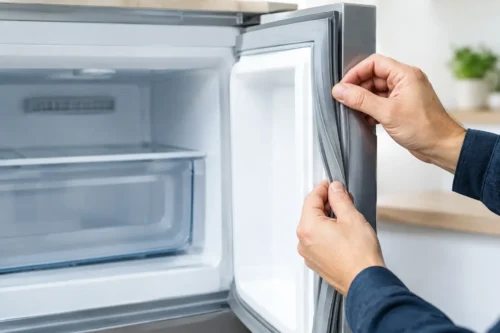
Clean your dishwasher filter as directed by the manufacturer, especially if dishes start coming out gritty or food particles remain after a wash cycle. Wipe the dishwasher door gasket occasionally so it can seal properly. For front-load washers, clean the door seal and leave the door slightly open between loads when practical to help moisture escape. Use the washer’s cleaning cycle if it has one.
Range hood filters need attention as well. Grease buildup reduces their effectiveness and can make the kitchen feel smoky when cooking. Microwave interiors should be cleaned gently after spills, since cooked-on food can absorb heat and contribute to uneven performance.
Respond to small changes quickly
A new sound, smell, vibration, error code, or change in cycle time is useful information. Waiting until an appliance stops completely can turn a simpler repair into a larger one, especially when a failing part puts stress on related components.
Pay attention when a refrigerator develops loud clicking, frost builds up where it normally does not, or the ice maker slows down. Notice if a dishwasher leaves standing water, a washer bangs during spin, or an oven takes much longer to preheat. These symptoms do not always mean the appliance is near the end of its life. They do mean it is worth diagnosing the cause.
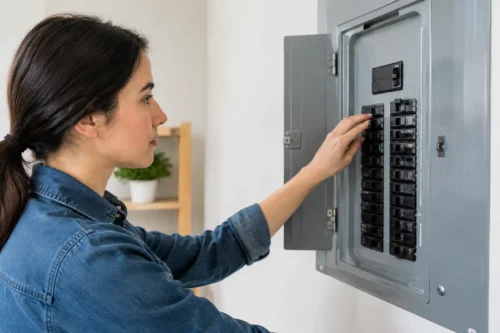
Avoid repeated do-it-yourself resets or improvised repairs when the same problem keeps returning. Turning a breaker off and back on may clear a temporary electronic issue, but it will not fix a failed sensor, drainage restriction, worn motor component, or damaged wiring. When performance is unreliable, a professional diagnosis can help you avoid replacing parts based on guesswork.
A Practical Maintenance Rhythm
You do not need a complicated calendar to care for your appliances. A simple routine is more likely to stick. After each use, clear dryer lint and clean up appliance spills. Monthly, inspect for leaks, unusual odors, and changes in performance. Every few months, clean accessible filters, seals, and refrigerator coil areas as your model permits.
A few tasks are best handled seasonally, particularly before the heaviest-use periods:
- Check dryer venting and the exterior vent hood for lint buildup or restricted airflow.
- Inspect washer hoses, refrigerator water connections, and dishwasher supply areas for moisture or wear.
- Clean dishwasher filters and run the manufacturer-recommended cleaning cycle for your washer.
- Remove grease from range hood filters and clear debris around appliance vents.
Always check the owner’s manual before cleaning, moving, or disassembling any part of an appliance. Some models have specific procedures, and some components should only be serviced by a qualified technician.
Repair or Replace? Consider More Than Age
When an appliance has a problem, homeowners often hear that a certain age automatically means replacement. The real answer depends on the diagnosis. A quality refrigerator, range, washer, or dryer may still be a strong candidate for repair if the cabinet, major systems, and overall condition are sound.
Consider the type of failure, repair cost, expected remaining life, energy use, and whether replacement parts are available. A minor part failure in an otherwise dependable appliance is different from repeated breakdowns involving multiple major components. The inconvenience of replacement matters, too. Measuring, shopping, arranging delivery, and adapting to a new unit can be a bigger project than expected.
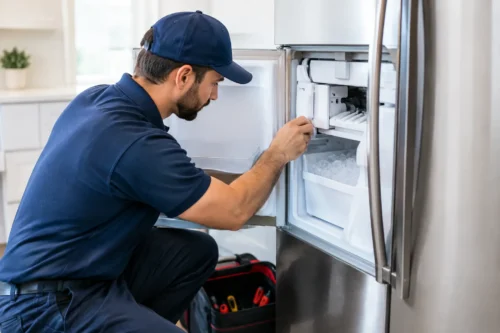
An honest diagnosis gives you options. Master Tech Appliance Repair helps homeowners in St. George and nearby communities understand what is causing the problem, what the repair involves, and whether repairing is a sensible investment.
Give Essential Appliances a Little Margin
Appliances work hardest when they are already under stress. Do not block refrigerator vents with tightly packed food, and do not run the dryer when airflow is questionable. Give a noisy washer or slow-draining dishwasher attention before company arrives or the weekend laundry piles up.
The most useful maintenance habit is simple: treat a change in performance as an early warning, not something to work around indefinitely. A little timely care can keep the appliances your household depends on running reliably when you need them most.