Table of Contents
- Why Are Dryer Clothes Damp After a Full Cycle?
- Start With the Simple Checks
- Restricted Dryer Vents Are a Common Cause
- When the Dryer Is Not Heating Correctly
- Moisture Sensor and Cycle Setting Problems
- A Few Signs It Is Time for Dryer Repair
- Do Not Let Repeated Drying Cycles Become the New Normal
A load that comes out warm but still wet is more than an inconvenience. It can turn a simple laundry day into repeated cycles, higher utility bills, and clothes that develop a musty smell before they ever make it to the drawer. If you are asking, why are dryer clothes damp after a full cycle, the answer usually comes down to airflow, heat, the load itself, or a part that needs attention.
A dryer needs three things to work properly: enough heat, steady airflow, and room for clothes to tumble. When one of those is missing, moisture stays trapped in the fabric. Some causes are easy for a homeowner to correct. Others require a qualified appliance technician to diagnose safely and accurately.
Why Are Dryer Clothes Damp After a Full Cycle?
The most common reason is restricted airflow. Your dryer may be producing heat, but if moist air cannot leave through the vent system, it circulates back into the drum. Clothes can feel hot, yet remain damp because the moisture has nowhere to go.
This is why a dryer can appear to run normally while taking two or three cycles to finish a load. The dryer may not be the only issue. The problem can be in the lint screen, the flexible vent hose behind the machine, or the duct that runs through the wall and out of the home.
Dryers in Southern Utah homes can also be affected by exterior vent covers that become clogged with lint, dust, nesting material, or debris. If the outside flap does not open while the dryer runs, airflow is likely restricted somewhere in the system.
Start With the Simple Checks
Before assuming the dryer has failed, check the items that affect every load.
First, clean the lint screen before each cycle. Even a screen that looks clear can develop a nearly invisible coating from dryer sheets and fabric softener. That coating limits airflow. Wash the screen occasionally with warm water, a soft brush, and mild dish soap, then let it dry completely before reinstalling it.
Next, look at the load size. An overfilled dryer cannot tumble clothing effectively. Heavy towels, jeans, and bedding may bunch together, leaving damp pockets in the middle of the load. On the other hand, very small loads can confuse some moisture-sensing dryers because the sensor may not contact enough fabric to accurately measure dampness.
Also consider what went into the dryer. If the washer did not spin out enough water, the dryer has to work much harder. A washer that leaves dripping-wet laundry may have its own problem, such as an unbalanced load, drain restriction, worn drive component, or spin-cycle issue.
Restricted Dryer Vents Are a Common Cause
A clogged vent is one of the most frequent reasons clothes stay damp, and it deserves prompt attention. Lint buildup restricts airflow, extends drying times, and makes the dryer run hotter than it should. It can also create a serious fire risk.
You may notice that the laundry room feels unusually warm or humid while the dryer is operating. You may also see lint collecting around the dryer, smell a hot or burning odor, or find that the exterior vent flap barely moves. These signs should not be ignored.
The short flexible duct behind the dryer matters too. If it is crushed when the dryer is pushed back against the wall, air cannot move freely. Thin plastic or foil-style ducts are more likely to sag, tear, and collect lint. A properly installed metal vent connection is generally safer and more durable.
A homeowner can safely clean the lint screen and inspect the visible connection behind the dryer. Cleaning a long, concealed vent line is a different job. It requires the right equipment to remove lint without damaging the duct or pushing the blockage farther into the system.
When the Dryer Is Not Heating Correctly
If the drum turns but clothes are cold and wet at the end of the cycle, the dryer may have a heating problem. Electric dryers rely on a heating element and several electrical safety components. Gas dryers use an igniter, gas valve coils, flame sensor, and burner assembly. Failure in any of these parts can leave the dryer tumbling without producing enough heat.
Sometimes the dryer produces heat at first, then stops heating before the cycle ends. This can happen when a thermostat or thermal safety device is failing, or when poor venting causes the dryer to overheat and shut down temporarily. Replacing a failed part without addressing airflow can lead to the same problem again.
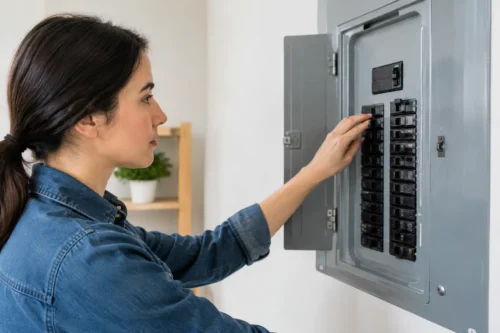
A tripped breaker can also affect an electric dryer in a confusing way. Many electric dryers use two 120-volt legs to provide 240 volts for heat. If one side of the breaker trips, the drum may still turn and the control panel may still light up, but the dryer will not heat properly. Check the breaker panel, but do not repeatedly reset a breaker that trips again. That can point to an electrical or appliance fault that needs professional service.
Moisture Sensor and Cycle Setting Problems
Modern dryers often have automatic cycles that use moisture sensors to determine when clothing is dry. These sensors are usually metal strips inside the drum near the lint screen. When damp clothes touch the strips, the dryer continues running. When the sensor no longer detects moisture, the cycle ends.
If the sensor is coated with residue from dryer sheets or fabric softener, it may read clothing as dry too soon. Wipe the sensor strips gently with a cloth dampened with white vinegar, then dry them with a clean cloth. This simple maintenance step can improve automatic-cycle performance.
Cycle selection matters as well. Delicates, casual, and energy-saving settings use lower heat or shorter drying times. They are useful for protecting fabrics, but they may not be the best choice for thick towels or a load of heavy cotton items. If lighter shirts are dry but towels remain damp, separate heavy items from lightweight fabrics rather than simply adding more time to every load.
A Few Signs It Is Time for Dryer Repair
Some dryer issues should be handled by a professional rather than treated as a trial-and-error project. Schedule service if you notice:
- The dryer runs but does not heat, or heat is inconsistent.
- Several cycles are needed even after the lint screen and vent connection are checked.
- The dryer shuts off early, overheats, or displays an error code.
- You smell burning, see smoke, or hear unusual scraping, thumping, or squealing.
- A breaker trips repeatedly when the dryer is in use.
For gas dryers, leave repairs involving the burner, gas supply, and ignition system to a trained technician. If you smell gas, turn the dryer off, avoid switches or open flames, leave the area, and contact your gas utility or emergency services as appropriate.
Do Not Let Repeated Drying Cycles Become the New Normal
Running damp clothes through cycle after cycle wears out fabrics, wastes energy, and puts added strain on the dryer. It can also mask a problem that is getting worse, especially if the machine is overheating because of restricted venting or a failing component.
A proper diagnosis looks at the whole drying system, not just the dryer itself. An experienced technician can check heat output, airflow, sensors, electrical connections, belts, rollers, thermostats, and the condition of the vent connection. That approach helps identify whether a repair is worthwhile and prevents replacing parts that were never the real cause.
For homeowners in St. George and surrounding Southern Utah communities, dependable laundry equipment matters when family schedules are already full. Master Tech Appliance Repair can help identify why a dryer is leaving clothes damp and recommend a practical repair based on the condition of your appliance.
Clean the lint screen, avoid overcrowding the drum, and pay attention to changes in drying time. Those small signals often give you the chance to solve a simple issue early or schedule service before laundry day becomes a larger disruption.