Table of Contents
- Start With the Simple Checks
- Dishwasher Is Not Cleaning Dishes Well
- White Film or Spots on Glassware
- Dishwasher Will Not Drain
- Dishwasher Is Leaking
- Dishwasher Makes Unusual Noises
- When a Dishwasher Repair Is Worth It
- When to Call a Dishwasher Technician
A dishwasher that stops working rarely chooses a convenient time. It usually happens after a family dinner, before guests arrive, or during a busy week when hand-washing dishes is one more task nobody needs. This home dishwasher repair guide helps you identify common problems safely, handle a few simple checks, and recognize when a professional repair is the smarter choice.
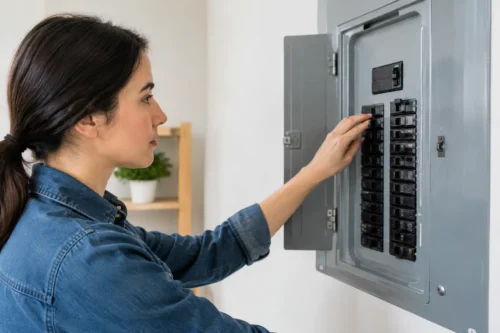
Before trying any repair, turn off power to the dishwasher at the breaker if you will be inspecting anything beyond the door, racks, or filter. Shut off the water supply if you see active leaking. Never work around damaged wiring, standing water near electrical components, or a dishwasher that is overheating.
Start With the Simple Checks
Many dishwasher service calls begin with a small issue that looks like a major breakdown. A clogged filter, a blocked spray arm, or a door that is not fully latched can stop a cycle or leave dishes dirty.
First, confirm the dishwasher is receiving power. If the control panel is dark, check the breaker and any nearby GFCI outlet that may have tripped. If the display is on but the cycle will not start, close the door firmly and listen for the latch to engage. A dishwasher will not run if it does not sense that the door is securely closed.
Next, look at the control settings. Delay start, control lock, and certain specialty cycles can make it seem as though the machine is unresponsive. Consult the model’s use and care instructions for the meaning of any error code, but do not assume an error code identifies one failed part. Codes point a trained technician toward a system that needs testing. They are not always a complete diagnosis.
Dishwasher Is Not Cleaning Dishes Well
Cloudy glasses, food left on plates, and a gritty feeling inside the tub are frustrating, but they do not automatically mean the dishwasher is worn out. Start by removing and cleaning the filter at the bottom of the tub. Rinse away trapped food and debris under warm water, using a soft brush if needed. Do not force or pry the filter assembly, since designs vary by model.
Check the spray arms as well. Their small holes can become blocked by food particles or mineral buildup, especially in areas with hard water. Make sure each arm spins freely and is not blocked by a tall pan, utensil, or incorrectly loaded rack.
Loading matters more than most homeowners realize. Large cutting boards and baking sheets can block water from reaching other dishes. Bowls should face downward, and utensils should not nest together. Use fresh detergent, add rinse aid if recommended for your machine, and run hot water at the kitchen sink briefly before starting a cycle. That gives the dishwasher hot water from the beginning rather than filling with cool water left in the supply line.
If cleaning results stay poor after these steps, the issue may involve water temperature, a failed circulation pump, a damaged spray arm, a detergent dispenser, or an internal water-flow problem. Those repairs require proper testing rather than guesswork.
White Film or Spots on Glassware
White residue is often caused by hard water minerals, too much detergent, or a rinse aid setting that needs adjustment. Run a dishwasher cleaner made for mineral buildup and review detergent amounts. Using more detergent does not always produce cleaner dishes. In fact, excess detergent can leave residue behind.
If the film does not improve, it may be worth checking whether the dishwasher is heating water correctly. A machine that cannot maintain proper wash temperature may leave detergent and food residue behind even when it appears to complete a cycle.
Dishwasher Will Not Drain
Water sitting in the bottom of the dishwasher should be addressed promptly. A small amount of clean water near the filter area can be normal on some models, but a pool of dirty water after a cycle is not.
Remove the lower rack and inspect the filter area for food, broken glass, labels, or other debris. Wear gloves and use care, particularly if a glass has broken during a wash. Clean the filter, then check the sink drain and garbage disposal. If the kitchen sink is draining slowly, the dishwasher may not be able to drain properly either.
A recently installed garbage disposal can create a particularly confusing problem. If the dishwasher drain line is connected to the disposal, the installer must remove the dishwasher inlet knockout plug. If that plug remains in place, the dishwasher cannot drain into the disposal. This is a common installation issue, but it should be corrected carefully to avoid damaging the connection.
Do not repeatedly restart a dishwasher that will not drain. Continued attempts can strain the drain pump and may lead to overflow. A clogged drain hose, failed drain pump, faulty check valve, wiring issue, or control problem may require professional service.
Dishwasher Is Leaking
A dishwasher leak deserves attention right away, even if it seems minor. Water can damage flooring, cabinetry, and subflooring long before it becomes visible beyond the kitchen.
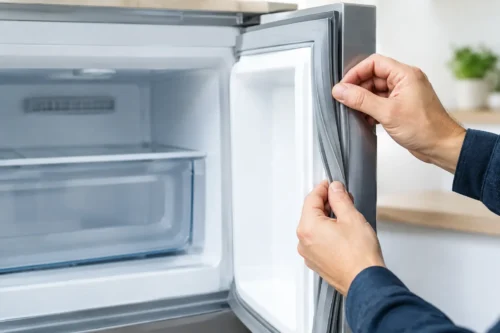
If water is coming from the front of the machine, inspect the door gasket for food buildup, tears, or sections that have pulled away from the door frame. Wipe the gasket clean with a damp cloth and make sure no dish or rack is preventing the door from closing evenly. Excess suds can also force water out of the door. This often happens when regular hand dish soap is used by mistake, so only use detergent labeled for automatic dishwashers.
Leaks from underneath or behind the dishwasher are less suitable for a do-it-yourself fix. They may come from the water inlet connection, drain hose, pump seal, tub, float system, or internal hose. Turn off the water supply if possible and arrange service. Running the dishwasher again to see whether the leak returns can make a small repair much more expensive.
Dishwasher Makes Unusual Noises
Some sounds are normal. You may hear water spraying, the drain pump operating, detergent doors opening, and a low hum during the wash cycle. New grinding, screeching, loud buzzing, or repeated knocking is different.
A light rattling may be caused by utensils or cookware shifting in the racks. Rearrange the load and run another cycle. If the noise continues with an empty dishwasher, the problem could involve the circulation pump, drain pump, motor bearings, spray arm, or a foreign object caught in the pump area.
Avoid taking apart the pump or motor assembly without the correct tools and experience. Modern dishwashers have tight access areas, electrical connections, and water seals that must be reassembled correctly. An attempted repair can turn a replaceable component into a leak or a larger electrical issue.
When a Dishwasher Repair Is Worth It
Repair is often the sensible choice when the dishwasher is otherwise in good condition and the problem is limited to a serviceable part. Door latches, filters, drain pumps, water inlet valves, heating components, hoses, and many control-related issues can often be repaired without replacing the entire appliance.
The decision depends on the dishwasher’s age, overall condition, repair cost, and whether it has had repeated major failures. A newer quality machine with a single failed component is usually a good repair candidate. On the other hand, a very old dishwasher with a leaking tub, severe rust, or several expensive failures may be nearing replacement territory.
A proper diagnosis matters because symptoms overlap. For example, standing water may point to a clogged filter, but it could also be a failing pump or a drain connection issue. Honest service starts with identifying the actual cause before recommending a repair or replacement.
When to Call a Dishwasher Technician
Schedule professional help if your dishwasher is leaking, tripping the breaker, displaying recurring error codes, failing to heat, making mechanical noises, or leaving water in the tub after basic cleaning. Call sooner if you smell burning, see melted plastic, or notice water near electrical connections.
For homeowners in St. George and Southern Utah, Master Tech Appliance Repair provides experienced, owner-led diagnosis for dishwasher problems that need more than a quick cleanup. A trained technician can test the components behind the symptom, explain the repair clearly, and help you avoid replacing an appliance based on a guess.
A dishwasher should make the kitchen easier to manage, not create a stack of dishes and a question mark under the sink. Address small maintenance issues early, protect your home from leaks, and get a clear diagnosis when the problem moves beyond a safe, simple check.