Table of Contents
- Start With Safety Before You Unclog a Garbage Disposal
- Is It a Garbage Disposal Jam or a Drain Clog?
- Reset the Disposal If It Has Stopped
- Use the Disposal Wrench to Free a Jam
- How to Clear a Clog Below the Disposal
- Avoid These Common Garbage Disposal Mistakes
- What Should Never Go Into a Garbage Disposal?
- When It Is Time to Call for Garbage Disposal Repair
A garbage disposal can bring dinner cleanup to a stop fast. One minute the sink is draining normally; the next, water is backing up around food scraps and the disposal only hums or stays silent. Knowing how to unclog a garbage disposal safely can often restore your kitchen without turning a small blockage into a damaged appliance or a messy plumbing problem.
The key is to separate a true drain clog from a disposal jam. A jam means something is preventing the grinding plate from turning. A clog usually means ground food, grease, or debris has collected farther down the drain. The safe fix depends on which problem you have.
Start With Safety Before You Unclog a Garbage Disposal
Never put your hand inside a garbage disposal, even if it appears to be switched off. A disposal can be connected to a wall switch, a dishwasher circuit, or a reset button that makes it easy for someone else in the home to accidentally restore power.
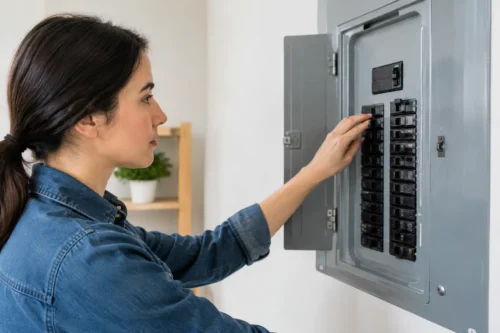
Turn the wall switch off first. Then unplug the disposal under the sink if it has a plug. If it is hardwired, turn off the appropriate circuit breaker. This extra step takes less than a minute and protects you while you inspect the unit.
If the sink is full of standing water, remove as much as you can with a cup or small container before looking into the disposal. Keep a towel nearby, especially if you may need to work under the sink later. Do not run the dishwasher while the disposal or kitchen drain is backed up. Many dishwashers drain through the disposal, so that can send more water into an already clogged sink.
Use a flashlight to look down through the sink opening. Do not use your fingers. If you can see an obvious object, such as a bottle cap, utensil piece, fruit pit, bone fragment, or broken glass, remove it carefully with long tongs or needle-nose pliers.
Is It a Garbage Disposal Jam or a Drain Clog?
A humming sound with no grinding usually points to a jammed disposal. The motor is receiving power, but the internal plate cannot turn. Turn the switch off immediately if you hear humming. Letting the unit hum for too long can overheat the motor.
If the disposal runs but water remains in the sink or drains very slowly, the problem is more likely a clog in the disposal outlet, the trap beneath the sink, or the kitchen drain line. A disposal that is completely silent may have tripped its reset button, lost power, or developed an electrical or motor problem.
These symptoms can overlap, which is why it helps to use a careful, step-by-step approach rather than forcing the appliance to run.
Reset the Disposal If It Has Stopped
Most disposals have a small red or black reset button on the bottom of the unit. If the disposal stopped after being overloaded or jammed, allow it to cool for several minutes, then press the button firmly once.
Restoring the reset button does not remove a jam. If the disposal hums again after resetting, turn the power back off and move on to manually freeing the grinding plate. Repeatedly pressing the reset button without correcting the cause can put additional strain on the motor.
Use the Disposal Wrench to Free a Jam
Many garbage disposals have a hex-shaped opening in the center of the bottom housing. The manufacturer may have supplied a small disposal wrench for this purpose. Insert the correct wrench into that opening and work it back and forth until the grinding plate moves freely.
This action loosens the obstruction from below, without placing your hands near the blades. It may take several short movements in each direction. Do not force it aggressively. If the wrench will not move or you hear metal scraping, there may be a hard object caught inside that needs to be removed from above with tongs.
Some units do not have a bottom hex opening. With power fully disconnected, a wooden broom handle can sometimes be used from the sink opening to gently move the internal plate. Avoid metal tools that can damage the disposal or create a dangerous contact point. If you are uncertain about your disposal style, stop rather than improvising.
Once the plate moves, remove any loosened debris with tongs. Restore power, turn on a steady stream of cold water, and run the disposal for a few seconds. If it runs normally and water drains, let cold water continue for another 20 to 30 seconds to carry the remaining particles through the drain.
How to Clear a Clog Below the Disposal
If the disposal turns freely but the sink still backs up, the obstruction is likely in the drain path rather than the grinding chamber. Start with cold water and a sink plunger. If you have a double-basin sink, plug the opposite side tightly with a stopper or wet rag before plunging. Otherwise, pressure will escape through the other basin instead of working on the clog.
Use several controlled plunges, then check whether the water begins to move. A plunger is often effective for soft food buildup near the disposal outlet. Do not run the disposal while plunging.
If plunging does not help, the P-trap beneath the sink may contain the blockage. Place a shallow bucket and towels underneath it before loosening the slip nuts. Food debris, grease, and standing water can spill out. Clean the trap, inspect it for cracks or worn washers, and reinstall it carefully without overtightening the plastic fittings.
A clog farther into the wall drain may require a hand auger or professional drain service. This is especially likely if both sink basins are slow, the dishwasher backs up into the sink, or the clog returns shortly after you clear the trap.
Avoid These Common Garbage Disposal Mistakes
Chemical drain cleaners are a poor choice for a clogged disposal. They can sit in the appliance or trap, damage seals and metal components, and create a serious hazard when you later open the drain. They also do little for a hard object jammed in the grinding chamber.
Boiling water is not the best first response either. Very hot water can soften grease temporarily, only to allow it to cool and collect farther down the line. It can also be hard on some plumbing connections. Cold water is the right choice when operating a disposal because it helps keep fats more solid so they can move through the system rather than coating the pipes.
Baking soda and vinegar may freshen mild odors, but they will not fix a serious jam or compacted drain clog. Ice can help clean the grinding chamber after the disposal is working again, but it is not a solution for a blocked drain. If the problem is mechanical or deeper in the plumbing, home remedies can delay the repair you actually need.
What Should Never Go Into a Garbage Disposal?
A garbage disposal is built for small amounts of soft food residue, not as a replacement for the trash can. Avoid putting these items down the disposal:
- Grease, cooking oil, and fat
- Coffee grounds and large amounts of eggshells
- Pasta, rice, oats, and fibrous vegetables
- Bones, fruit pits, corn husks, and celery stalks
- Plastic, twist ties, bottle caps, and utensils
Grease is especially troublesome because Southern Utah homes can see recurring kitchen drain issues when cooled fats build up inside pipes. Fibrous foods can wrap around internal components, while starchy foods expand with water and create a heavy paste in the drain.
For everyday use, scrape plates into the trash first, add food scraps gradually, and run cold water before, during, and after using the disposal. Those simple habits reduce the chance of a blockage and help the appliance last longer.
When It Is Time to Call for Garbage Disposal Repair
A disposal that repeatedly jams, trips the reset button, leaks from the bottom, makes loud grinding noises, or fails to turn after a safe reset may need more than a clog removal. A leak from the bottom of the housing can indicate a failed internal seal. In that case, replacing the unit is often more practical than repairing it.
Call for professional help if you cannot free the jam with the proper wrench, if water is leaking under the sink, or if the drain still backs up after the trap has been cleared. It is also wise to have a technician diagnose recurring clogs. The issue may be a worn disposal, a poorly draining line, a dishwasher connection problem, or buildup farther into the plumbing.
For homeowners in St. George, Ivins, Santa Clara, Hurricane, Washington, and Mesquite, a timely diagnosis can prevent a kitchen backup from becoming cabinet damage, lingering odors, or an interruption to family meals. Master Tech Appliance Repair can help determine whether the disposal needs a careful repair or replacement.
A garbage disposal should make cleanup easier, not leave you guessing what is happening under the sink. When a safe reset and basic clearing steps do not solve the problem, stopping early and getting experienced help is often the fastest way to get your kitchen working normally again.