Table of Contents
- What a good home appliance repair guide should help you decide
- Start with the basics before assuming the worst
- When DIY makes sense and when it does not
- Common appliance symptoms and what they often mean
- Repair or replace depends on more than age
- Maintenance is not glamorous, but it works
- Choosing the right appliance repair help
- A practical home appliance repair guide ends with this rule
A refrigerator that stops cooling before the weekend, a washer that quits with a full load inside, or an oven that will not heat before dinner can throw off the whole day. That is why a solid home appliance repair guide matters. Homeowners do not just need technical answers. They need clear direction on what is safe to check, what warning signs to take seriously, and when repair makes more sense than replacement.
Most appliance problems start small. A strange sound, a longer dry time, a small leak, or a breaker that trips once may not seem urgent at first. But appliances rarely fix themselves. Catching an issue early can protect food, prevent water damage, reduce energy waste, and save you from a larger repair later.
What a good home appliance repair guide should help you decide
The best approach is not guessing and it is not taking apart half the kitchen with a screwdriver and a video playing in the background. A useful guide helps you sort problems into three groups: simple homeowner checks, issues that need professional diagnosis, and warning signs that mean stop using the appliance right away.
That matters because not every breakdown has the same risk. A dishwasher that leaves dishes cloudy is frustrating. A dryer that smells like something is burning is a different level of problem. The skill is knowing the difference.
Start with the basics before assuming the worst
A surprising number of service calls begin with a simple issue. Power supply, settings, blocked vents, clogged filters, and unbalanced loads can all mimic more serious failures. Before assuming an appliance is done for, check the basics carefully.
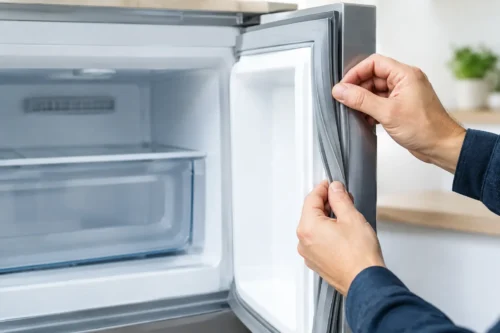
With refrigerators and freezers, make sure the temperature settings were not changed by accident, the condenser area is not packed with dust, and the door seals are closing fully. If the unit is running constantly or food is warming up, those are signs to act quickly. Food loss can happen fast, especially in Southern Utah heat.
For dishwashers, look at the filter, spray arms, and drain area first. Poor cleaning can come from buildup rather than a failed component. If water is pooling at the bottom or leaking onto the floor, stop using it until the cause is identified. A small dishwasher leak has a way of becoming cabinet or flooring damage.
Washers often have problems tied to overloading, drain restrictions, or hose issues. If the machine will not spin or drain, check whether the load is off balance and whether the drain hose is kinked. If you hear grinding, see water under the unit, or notice repeated error codes, that usually points to a deeper mechanical or electrical problem.
Dryers deserve extra caution. If clothes take too long to dry, start with the lint screen and vent path. Restricted airflow is common and can shorten the life of the machine. But if the dryer overheats, shuts off mid-cycle, or gives off a burning smell, stop there. That is not a wait-and-see issue.
When DIY makes sense and when it does not
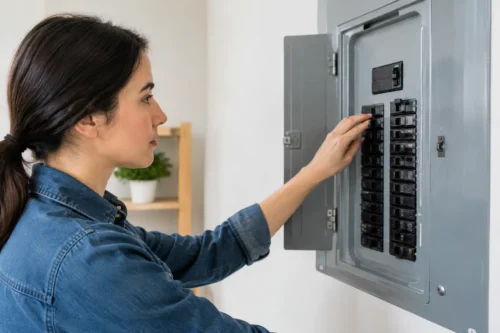
There is a place for basic troubleshooting. Cleaning a filter, resetting a breaker, confirming water supply, or replacing an easy-access light bulb is reasonable for most homeowners. These small steps can restore function without cost or delay.
The line gets crossed when gas, sealed refrigeration systems, internal wiring, control boards, motors, heating elements, or disassembly come into play. At that point, the risk goes up fast. You can damage the appliance further, create a safety hazard, or spend money on the wrong part because the real problem was misdiagnosed.
That is one reason experienced repair matters. Many symptoms overlap. A warm refrigerator could involve the compressor, fan motor, thermostat, control issue, or airflow restriction. A microwave that does not heat may seem simple, but internal components can hold dangerous voltage even when unplugged. Good diagnosis is what separates a real repair from expensive trial and error.
Common appliance symptoms and what they often mean
Some warning signs show up across multiple appliances. Leaks usually point to hoses, pumps, valves, door seals, or drain issues. Unusual noises may come from worn bearings, fan motors, rollers, pulleys, or loose components. Burning smells often mean friction, electrical trouble, or overheating. Intermittent performance can suggest a failing control, sensor, or connection.
Still, it depends on the appliance and the timing. A refrigerator clicking and not cooling is different from an oven clicking and not igniting. A washer that bangs during spin might be an uneven load, while a dryer thumping every cycle may signal worn support parts. The symptom matters, but so does the context.
That is why homeowners should pay attention to patterns. Does the issue happen every cycle or only sometimes? Did it begin after a storm, a move, or a power outage? Is performance getting worse over days or did the failure happen all at once? Those details can speed up a repair and reduce wasted time.
Repair or replace depends on more than age
One of the most common questions is whether an appliance is worth fixing. Age matters, but it is not the whole story. Brand, model, maintenance history, part availability, and the nature of the failure all matter too.
A newer appliance with a bad sensor or worn part is often worth repairing. An older machine with multiple failing systems may not be. But replacement is not always the cheaper path people expect. New units can come with delivery delays, installation costs, and added surprises if cabinetry, hookups, or venting need updates.
Repair also has value beyond the invoice. It keeps your routine intact. It may save the contents of your refrigerator, keep laundry from piling up, or avoid the hassle of shopping for a replacement under pressure. For many homeowners, a dependable repair from a qualified technician is the more practical move.
Maintenance is not glamorous, but it works
Most major appliance failures are not fully preventable, but many are made worse by neglect. A little routine care can improve efficiency and reduce wear.
Clean refrigerator coils when accessible. Check door gaskets for gaps. Keep washer hoses in good shape and avoid overloading the drum. Clear dishwasher filters and inspect spray arms. Clean dryer lint screens every load and keep venting clear. For ovens and ranges, pay attention to burner performance, door seal condition, and signs of uneven heating.
These are small habits, but they matter because appliances work hardest when airflow is blocked, water cannot drain properly, or components are forced to compensate for buildup and strain.
Choosing the right appliance repair help
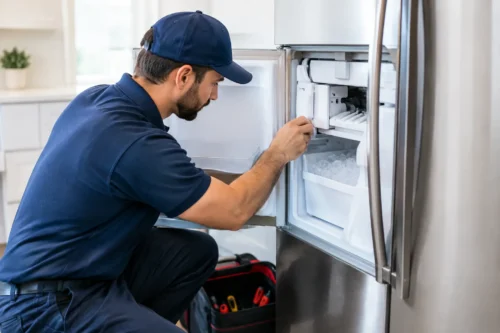
When an appliance truly needs service, homeowners want more than a quick appointment. They want someone who shows up on time, explains the issue clearly, treats the home with respect, and fixes the problem the right way.
That is especially true with essential appliances. You are not calling because it is convenient. You are calling because meals, laundry, food storage, and daily routines are being affected. In places like St. George, Ivins, Santa Clara, Hurricane, and Washington, that urgency is real when a refrigerator or freezer starts failing in warm weather.
A trustworthy repair experience should feel straightforward. You should understand what is wrong, what the repair involves, and whether the investment makes sense. Honest service means giving the homeowner a real recommendation, not pushing a repair that does not hold up or a replacement that is not necessary.
A practical home appliance repair guide ends with this rule
If the issue is minor, visible, and safely accessible, start with the basics. If the appliance involves gas, heat, leaks, electrical components, or repeated failure, do not guess. The right repair at the right time protects your home, your budget, and your routine.
Appliances are easy to take for granted until one stops doing its job. When that happens, the goal is not just getting a machine running again. It is getting your household back to normal with as little stress as possible.