Table of Contents
- What that humming sound usually means
- Start with safety before any garbage disposal humming fix
- The most common garbage disposal humming fix
- When the reset button helps and when it does not
- What may be stuck inside the disposal
- Signs the problem is more than a simple jam
- What not to do
- How to tell whether the drain or the disposal is the real issue
- When it makes sense to call a professional
- Preventing the next humming problem
When your sink starts making a low humming sound but nothing actually grinds, kitchen cleanup comes to a stop fast. A garbage disposal humming fix is often possible, but the right next step depends on whether the unit is jammed, overheated, or dealing with a motor problem that needs professional attention.
What that humming sound usually means
A humming garbage disposal usually means the motor is getting power but the grinding plate is not turning. In plain terms, the unit wants to run, but something is stopping it. That can happen when food debris, a utensil, glass, bone fragments, or another hard object gets lodged inside the chamber.
In some cases, the disposal is not actually jammed by a foreign object. It may be stuck from built-up debris, or the motor may have overheated and tripped its internal protection. Less often, a persistent hum points to a failing motor or worn internal components. That is where guessing can cost you more, because continuing to force a disposal can damage the unit beyond a simple repair.
Start with safety before any garbage disposal humming fix
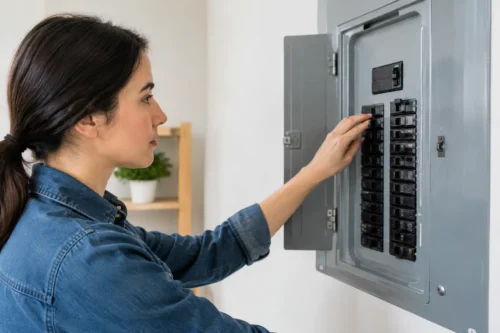
Before you put your hands anywhere near the disposal, cut the power. Do not rely on the wall switch alone. Turn the disposal off at the switch, then unplug it under the sink if it has a plug. If it is hardwired, switch off the breaker.
This matters because a jammed disposal can suddenly break free when you move the grinding plate. If power is still connected, the unit can start turning without warning. For homeowners, this is the part where slowing down is the smart move.
Use a flashlight to look inside the disposal. Never reach in with your hand. If you see something obvious, use tongs or pliers to remove it carefully.
The most common garbage disposal humming fix
If the disposal hums but does not spin, the most common fix is manually freeing the jam. Many units have a small hex-shaped opening on the bottom center of the disposal. That opening is designed for an Allen wrench, often one that came with the unit.
Insert the wrench and work it back and forth. You are not trying to force a full spin right away. The goal is to loosen whatever is binding the internal turntable. If it moves a little and then more freely, that is a good sign.
If your model does not have that bottom slot, you may be able to use a wooden spoon handle from above to gently move the grinding plate. Again, power should remain off while you do this. Once the plate turns freely, remove any loose debris you can see with tongs.
After that, locate the reset button on the bottom of the disposal. It is usually a small red button. Press it firmly. Then restore power and test the unit with cold water running.
If it runs normally, the problem was likely a simple jam or an overload condition.
When the reset button helps and when it does not
The reset button is helpful when the motor has overheated or stalled. It is not a cure-all. If you press reset and the disposal immediately hums again without spinning, the unit is still jammed or the motor is struggling.
This is where homeowners sometimes make the problem worse by repeatedly hitting reset and flipping the switch on and off. That can overheat the motor and shorten the life of the disposal. One careful reset after clearing a jam makes sense. Repeated resets without solving the root issue do not.
What may be stuck inside the disposal
A surprising number of humming problems come from items that should never have gone down the drain in the first place. Fruit pits, bones, fibrous vegetables, grease buildup, pasta, eggshell masses, and stray silverware are common culprits. In busy kitchens, especially with kids helping clean up, it does not take much to stop the grinding plate.
Even when nothing large is visible, stringy food can wrap around components and create resistance. That is why a disposal may sound like it is trying to work but cannot get moving.
It also explains why the fix is not always dramatic. Sometimes the issue is not one big object. It is a gradual buildup that finally causes the unit to seize.
Signs the problem is more than a simple jam
Some disposal issues look like a basic clog or jam at first, but the details matter. If you hear humming every time and manual rotation feels rough or inconsistent, internal wear may be involved. If the disposal trips the breaker, leaks, smells like something is burning, or has already needed multiple resets, there may be electrical or motor damage.
Age matters too. An older disposal that hums, leaks, and struggles to grind may be nearing the end of its service life. At that point, repair versus replacement depends on the model, the condition of the mounting assembly, and whether the motor is still worth saving.
For homeowners in Southern Utah, hard water and long-term kitchen use can also contribute to wear over time. Not every humming unit is headed for replacement, but not every one is a quick DIY fix either.
What not to do
A careful approach saves time and helps avoid injury. Never put your hand into the disposal, even if you are sure the switch is off. Do not pour harsh chemical drain cleaners into the unit to solve a humming issue. Those products rarely fix a mechanical jam and can damage seals or create a safety hazard when the unit is later serviced.
It is also best not to keep running the disposal while it hums. That sound means the motor is under strain. Letting it sit there humming can turn a small jam into a burned-out motor.
How to tell whether the drain or the disposal is the real issue
Sometimes homeowners hear a hum and assume the disposal is the only problem, but a backed-up drain can add confusion. If the disposal hums and the sink fills with water, you may have both a jammed disposal and a drain blockage. If the disposal spins but water drains slowly, the problem may be farther down the line.
That distinction matters because clearing the disposal alone may not restore full kitchen function. A proper diagnosis looks at both the grinding chamber and the connected drain path.
When it makes sense to call a professional
If you have removed visible debris, tried the manual turn, pressed reset, and the unit still only hums, it is time to stop pushing it. The same goes for any disposal that smells hot, trips power, leaks from the body, or makes metal-on-metal noises.
A trained technician can tell whether the issue is a jam, a failing motor, damaged internal lugs, wiring trouble, or a drain-related problem. That saves you from buying a new disposal when a repair would have done the job, or from sinking time into a unit that is already past the point of dependable service.
For many homeowners, the real value is not just getting the disposal running again. It is getting a repair done cleanly, safely, and without turning an under-sink problem into a bigger kitchen mess. That is especially true when the disposal is connected to a dishwasher drain or installed in a tight cabinet where access is limited.
Preventing the next humming problem
The best prevention is simple, steady habits. Run cold water before, during, and after using the disposal. Feed food waste gradually instead of all at once. Keep grease, fibrous scraps, bones, pits, and non-food items out of the unit.
It also helps to pay attention to changes in sound. A disposal that starts sounding sluggish or uneven is often giving early warning before it fully jams. Addressing that early can prevent the next shutdown during dinner cleanup.
At Master Tech Appliance Repair, we have seen plenty of garbage disposal problems that started as a hum and turned into a larger repair only because the unit kept being forced to run. A little caution at the right time can make all the difference.
A humming disposal is frustrating, but it is also a useful clue. It is the appliance telling you it has power, but something is holding it back. Handle that clue carefully, and you have a much better chance of getting your kitchen back to normal without added damage.